Alexandru Ioan Cuza University of Iași · Department of Geology

The Mineralogy & Petrography Collection “Grigore Cobălcescu”

In short: over 150 years of Geology in Iași; the first Geology Museum in Romania; more than 6,500 exhibits; minerals and rocks from all over the world.

  • 1888Krantz collection, acquired by Grigore Cobălcescu
  • 25,000+mineral, ore and rock samples
  • 6,500+exhibits in the museum rooms and halls
  • 921digital 3D models, mapped
  • —website visitors
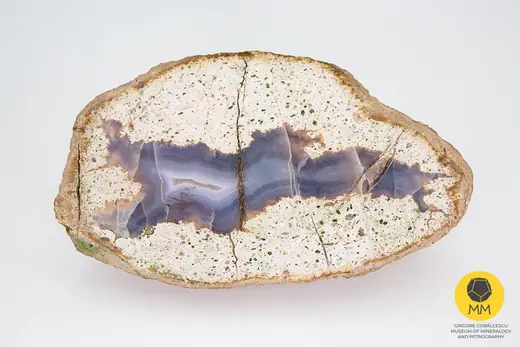
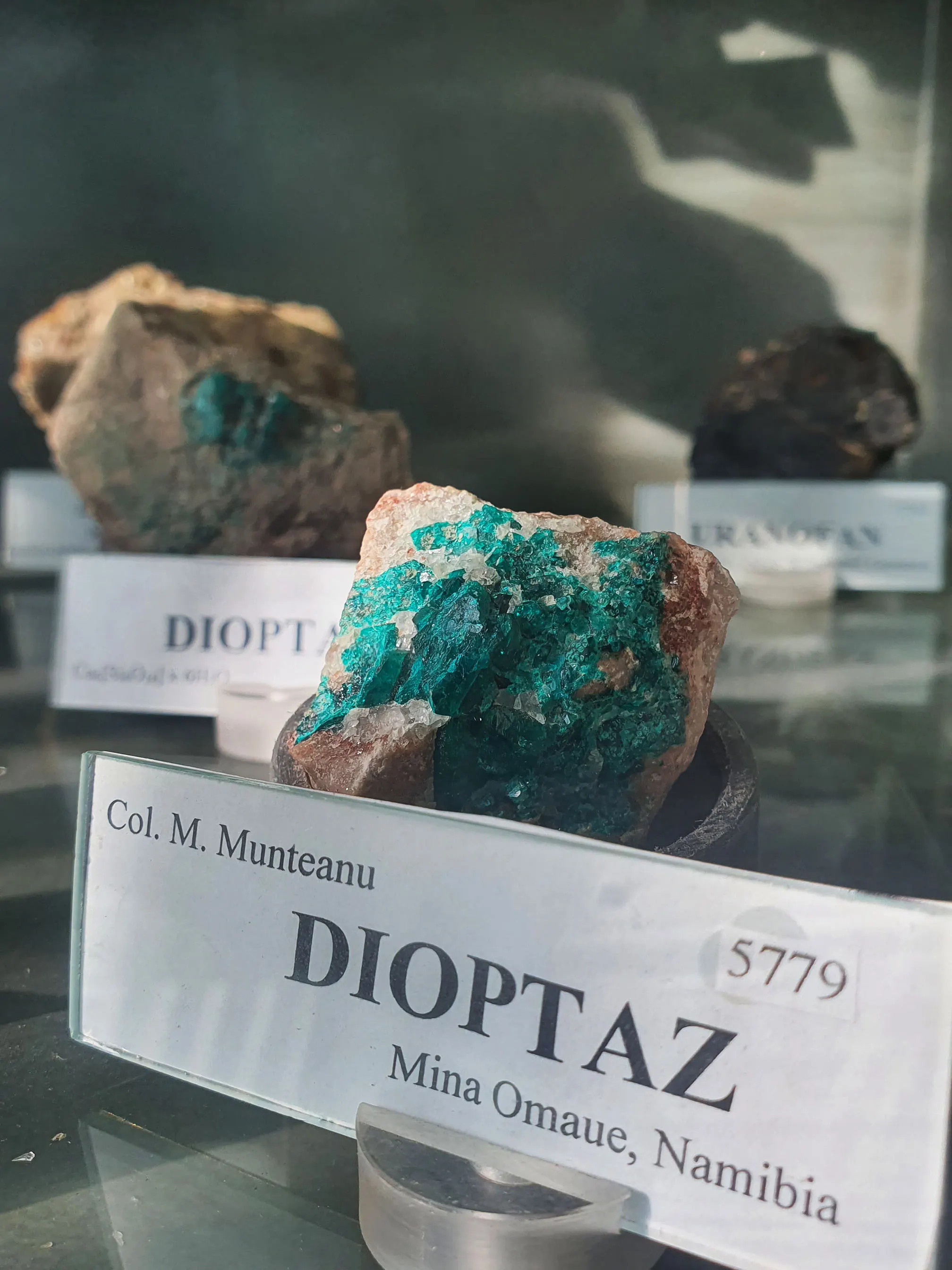
  • Agate in rhyolite
    Agate in rhyolite
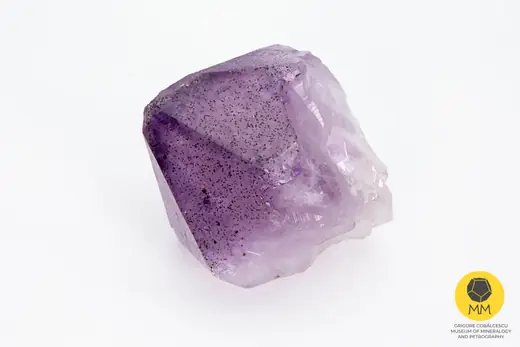
  • Amethyst
    Amethyst
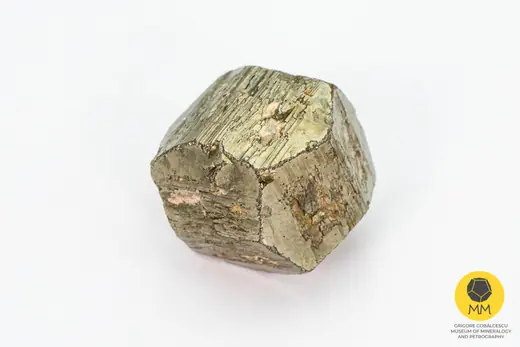
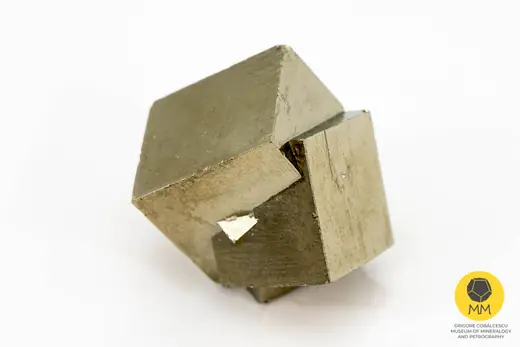
  • Pyritohedral pyrite
    Pyritohedral pyrite
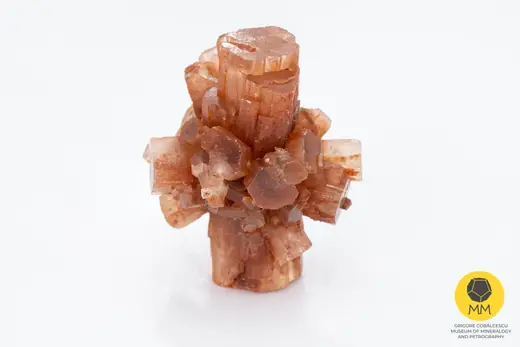
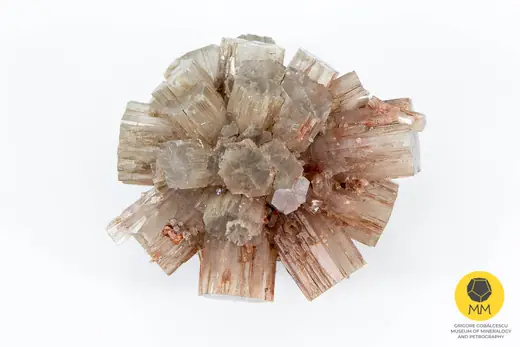
  • Aragonite
    Aragonite
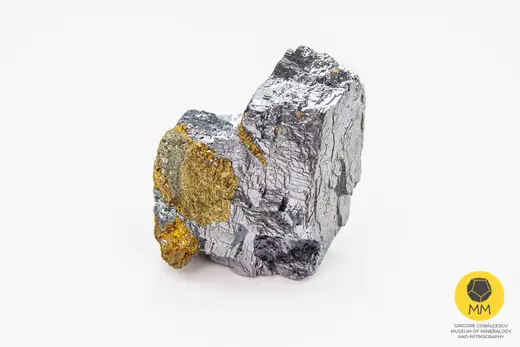
  • Galena
    Galena
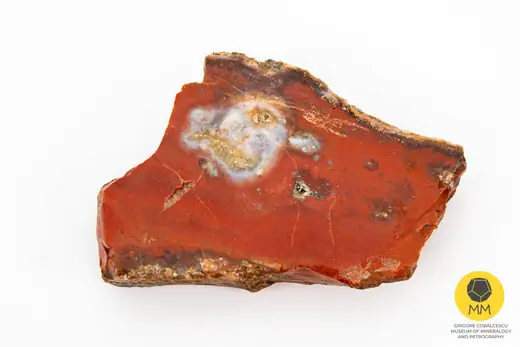
  • Jasper
    Jasper
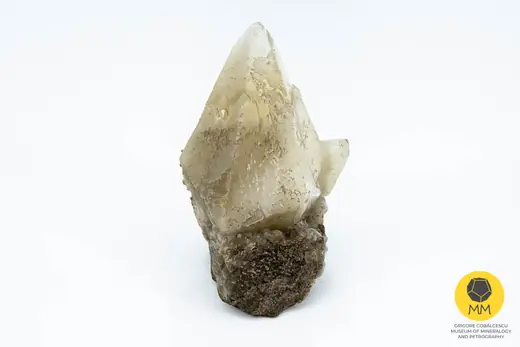
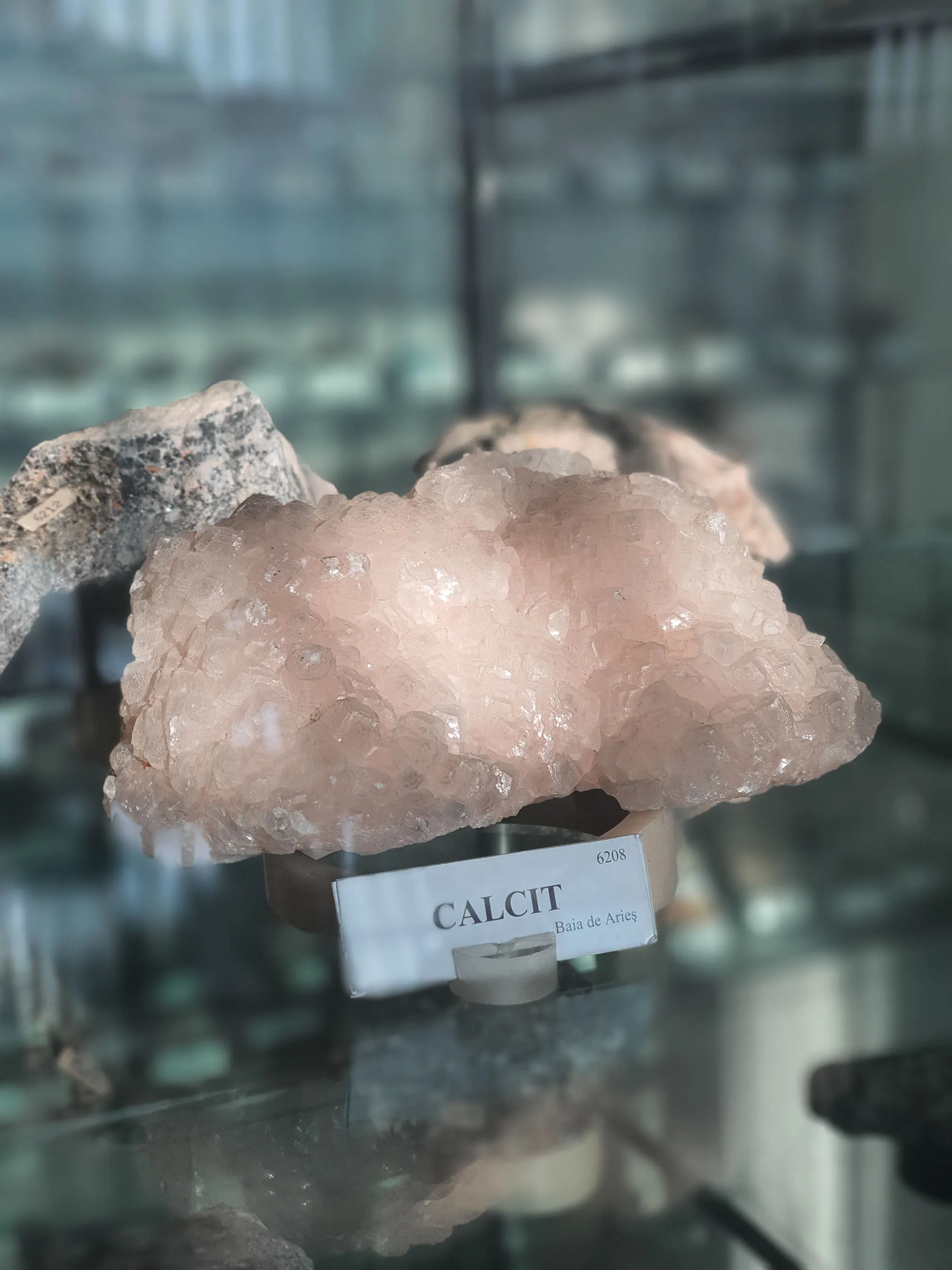
  • Calcite scalenohedron
    Calcite scalenohedron
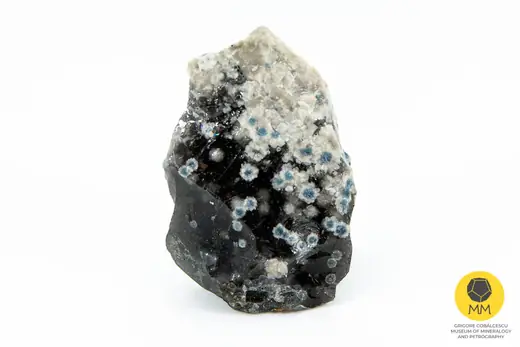
  • Obsidian
    Obsidian
  • Gypsum
    Gypsum
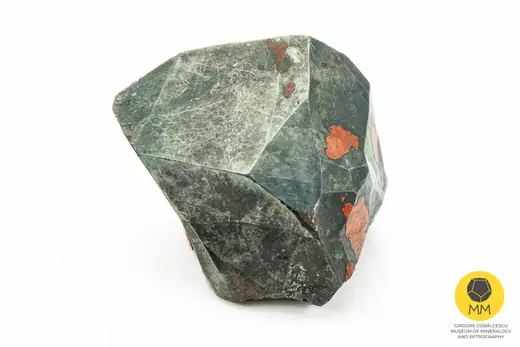
  • Hematite
    Hematite
  • Marcasite
    Marcasite
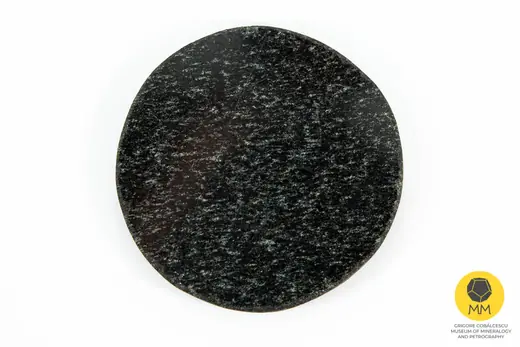
  • Amphibolite from the SG-3 borehole (12,262 m deep)
    Amphibolite from the SG-3 borehole (12,262 m deep)
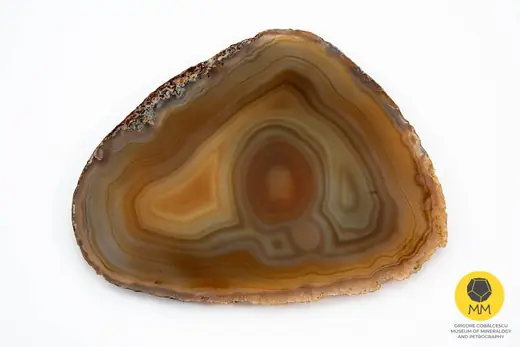
  • Agate slice
    Agate slice
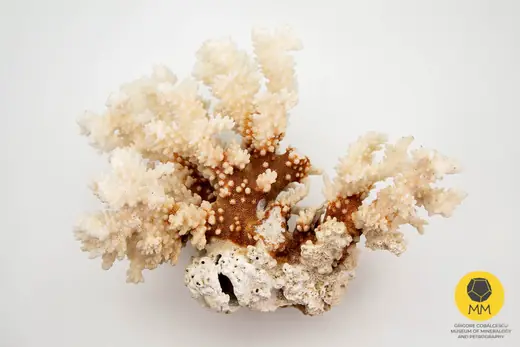
  • Coral
    Coral
  • Aragonite
    Aragonite
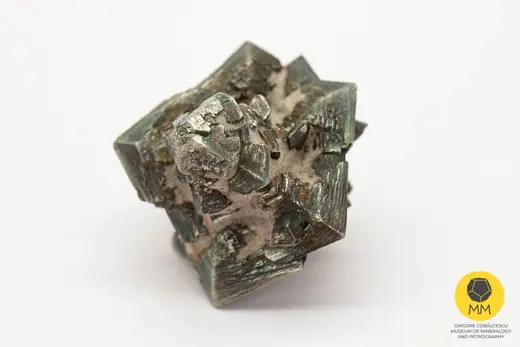
  • Pyrite (intergrown cubic crystals)
    Pyrite (intergrown cubic crystals)
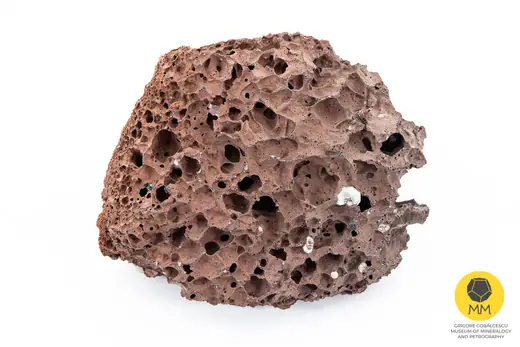
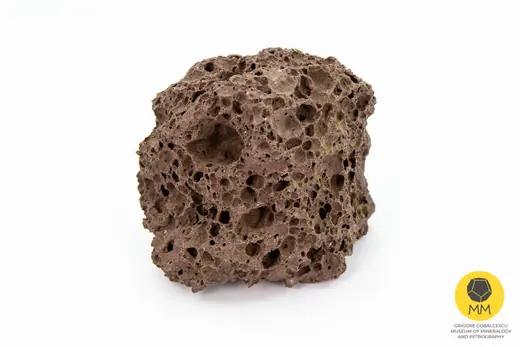
  • Scoria
    Scoria
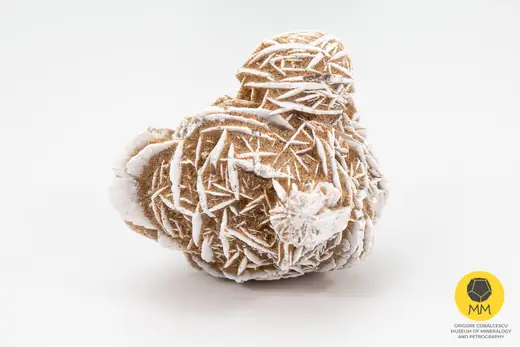
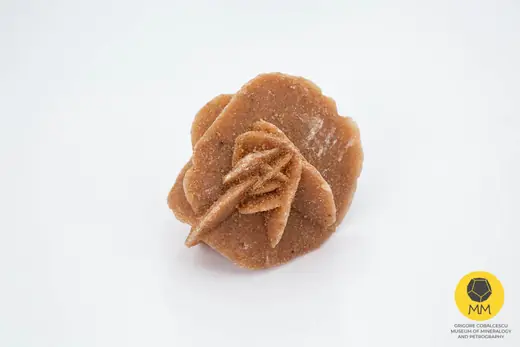
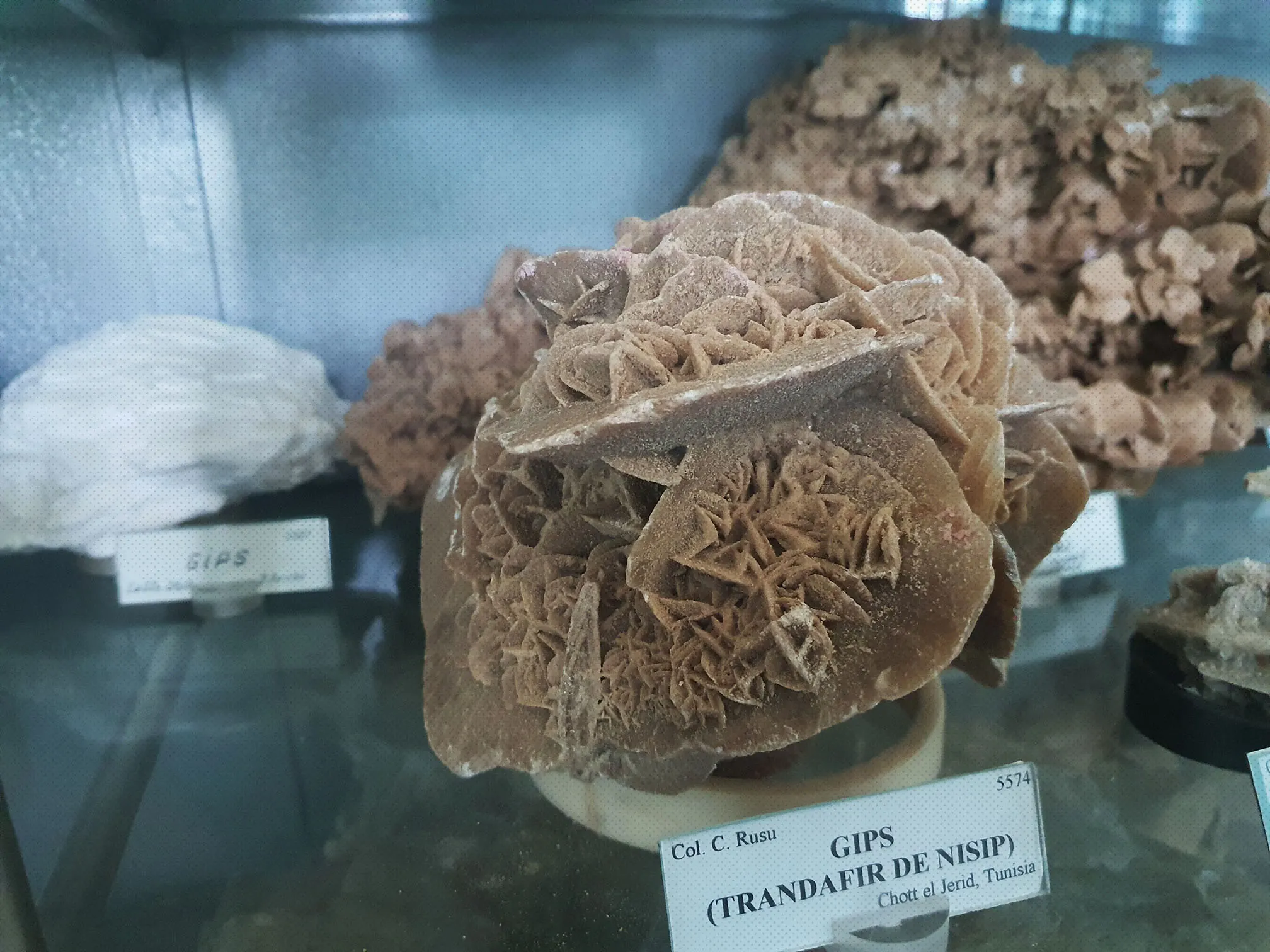
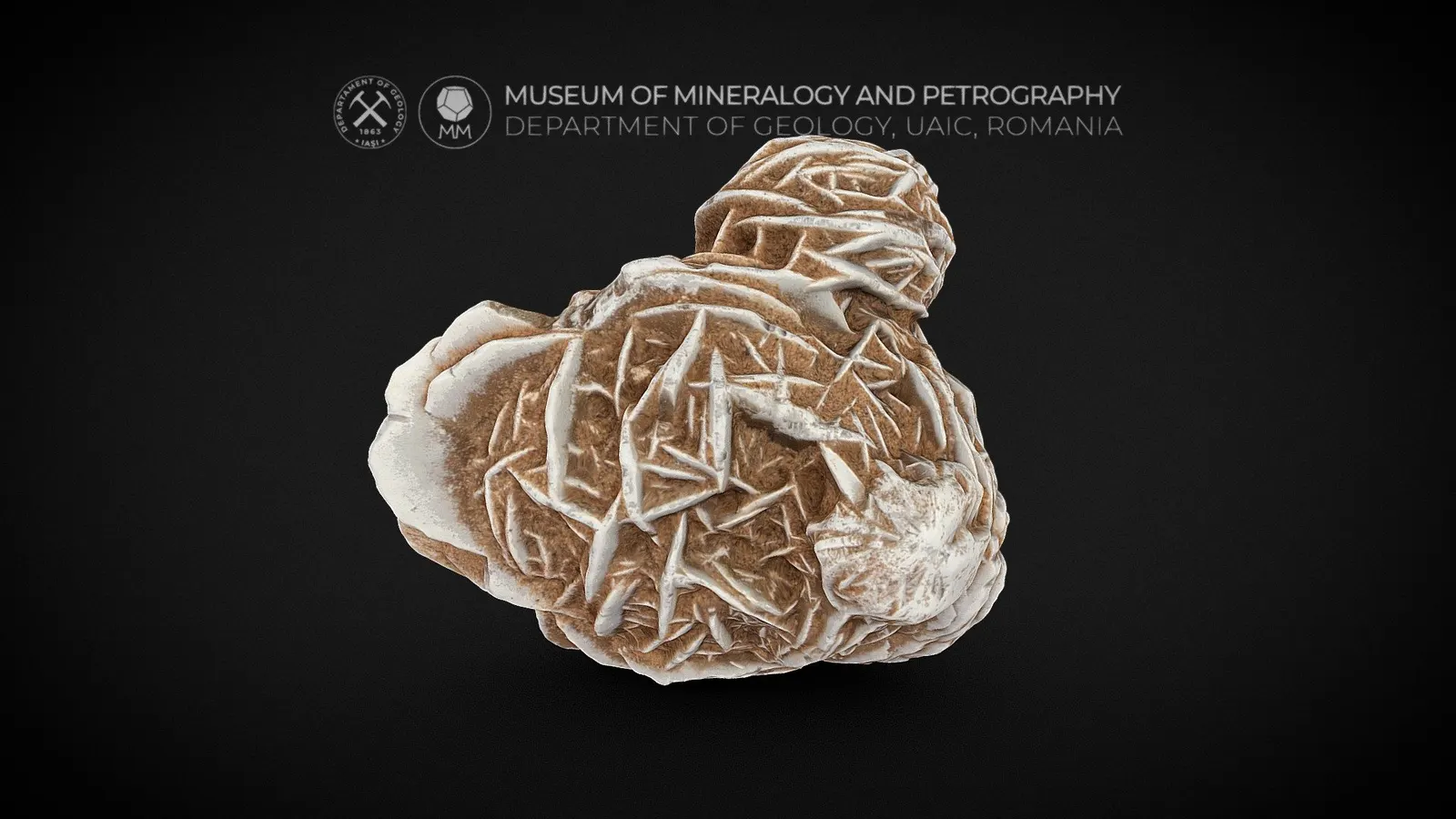
  • Gypsum with sand (“desert rose”)
    Gypsum with sand (“desert rose”)
  • Scoria, Racoș
    Scoria, Racoș

Since 1862

History

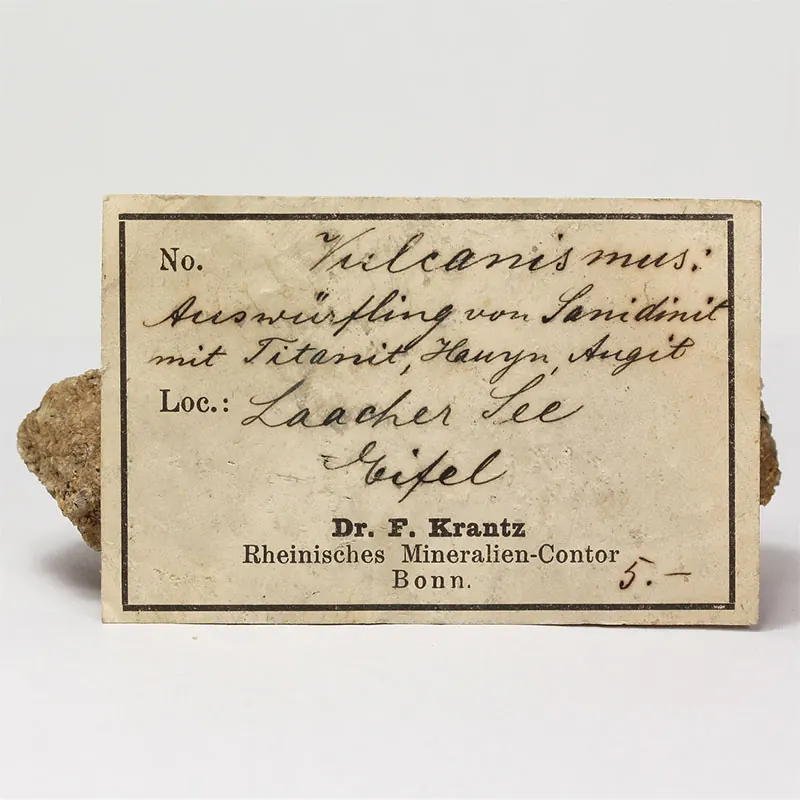
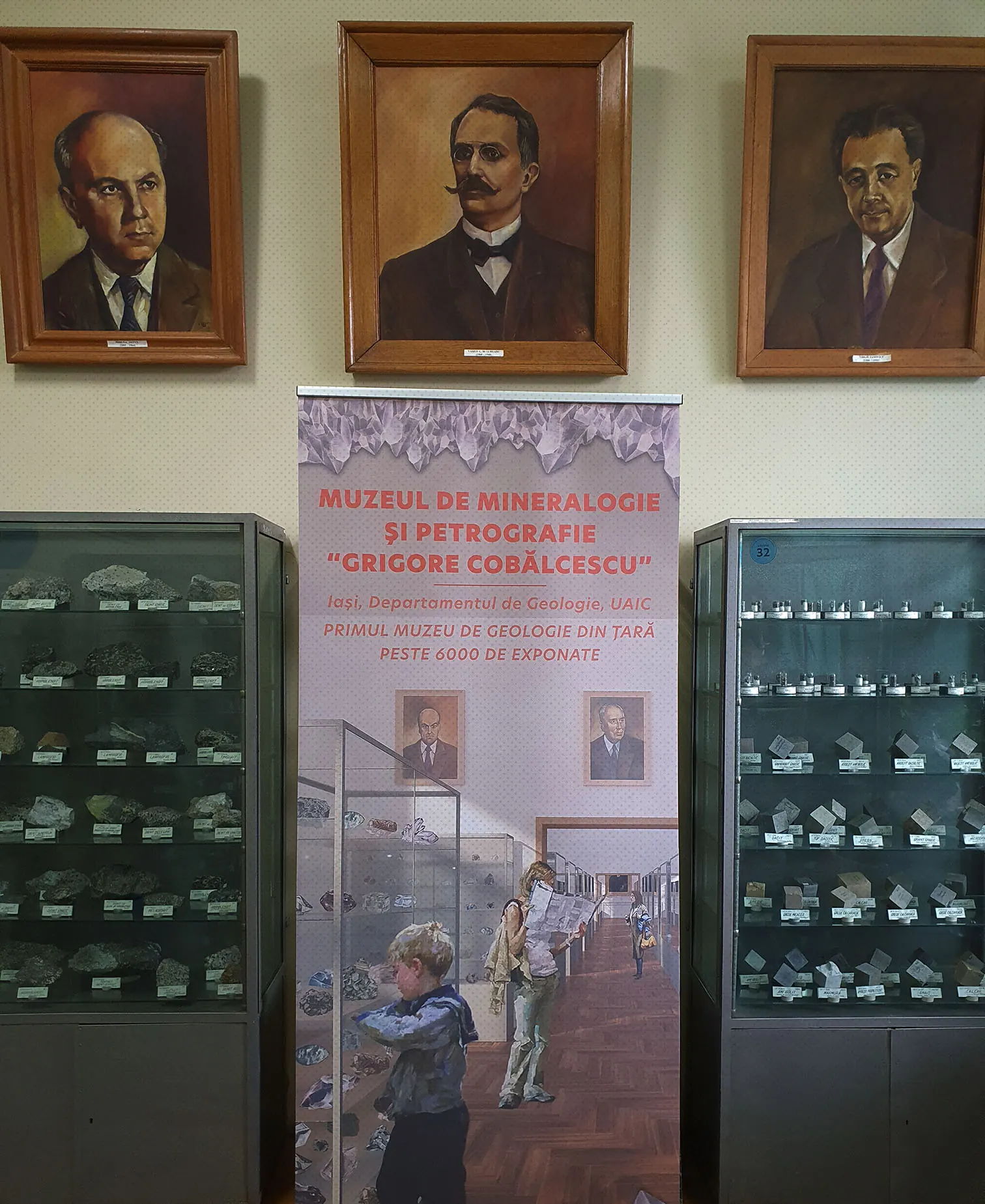
The “Grigore Cobălcescu” teaching and research collection holds more than 25,000 samples of minerals, ores and rocks, only part of which are on display in the museum rooms and along the halls of the Department of Geology. The oldest exhibits belong to the Krantz collection, bought by Professor Grigore Cobălcescu in 1888 from Dr. F. Krantz, Rheinisches Mineralien-Kontor, Bonn.

Grigore Cobălcescu, the first university professor of geology and mineralogy in Romania, laid the foundations of the teaching and research collections of minerals and rocks in Romanian higher education.

The model loads from Sketchfab, which may set cookies.

3D tour of the Mineralogy and Petrography Collection View on Sketchfab (opens in a new tab)

Timeline

  1. 1862

    The birth of Romanian geology

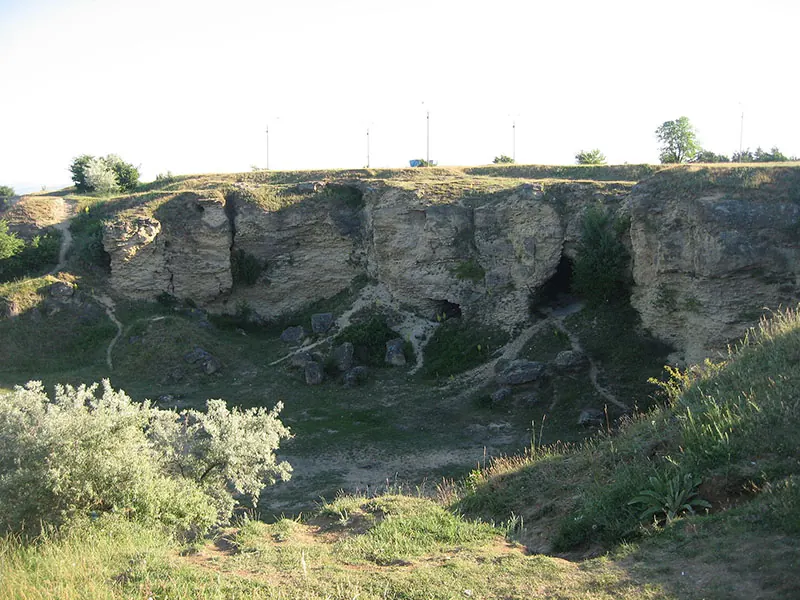
    Back from his studies (1861), Grigore Cobălcescu was entrusted by the Ministry of Education with the first geological surveys in Moldavia. As a result, in 1862 he published Calcariul de la Răpidea (The Limestone of Repedea), the founding document of Romanian geology and the first geological work written in Romanian.

    Repedea Palaeontological Reserve (47°05′19″ N – 27°38′37″ E)
    Repedea Palaeontological Reserve (47°05′19″ N – 27°38′37″ E)
  2. 16 October 1863

    Beginnings

    Grigore Cobălcescu was appointed professor of geology and comparative anatomy in the Exact Sciences section of the Faculty of Philosophy at the University of Iași (today Alexandru Ioan Cuza University of Iași), founded on 26 October 1860.

    Read more

    Knowing how much teaching material the geological and mineralogical disciplines required, Grigore Cobălcescu began collecting samples of minerals, rocks and fossils himself. They came from various geological formations across the country and served both research and teaching.

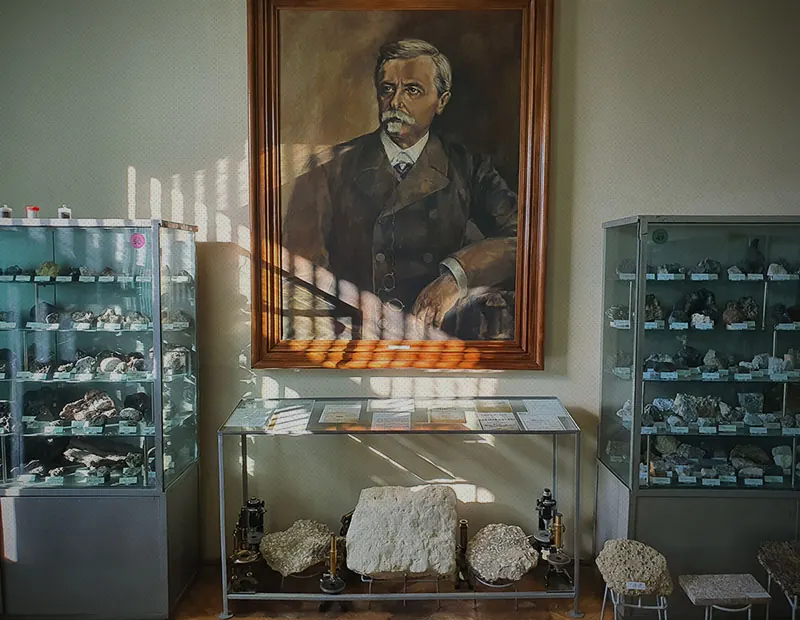
    Grigore Cobălcescu (22 September 1831 – 21 May 1892)
    Grigore Cobălcescu (22 September 1831 – 21 May 1892)
  3. 1865

    The first Chair of Geology, Mineralogy and Palaeontology

    In 1865 the Chair of Natural Sciences was split in two: Zoology–Botany and Geology–Mineralogy–Palaeontology.

    With the founding of the country’s first Chair of Geology, Mineralogy and Palaeontology, led by Grigore Cobălcescu, Romanian geology became an established academic discipline.

    Alexandru Ioan Cuza University of Iași was founded in 1860, shortly after the union of the Romanian Principalities
    Alexandru Ioan Cuza University of Iași was founded in 1860, shortly after the union of the Romanian Principalities
  4. 1888

    The first complete collections

    Realising that a complete, competitive collection could not be built only from samples he had collected himself or obtained now and then through exchanges with foreign specialists, Grigore Cobălcescu secured from the Ministry of Education, in early 1888, the sum of 30,000 lei (a very large amount at the time) to buy one of the five complete collections offered by the German firm F. Krantz. It comprised about 9,000 minerals, rocks and fossils.

    This makes it one of the oldest mineral collections in the world:

    1. 1716Fersman, Saint Petersburg (moved to Moscow in 1934)
    2. 1723–1730Grünes Gewölbe, Dresden, Germany
    3. 1745MNHN — National Museum of Natural History, Paris, France
    4. 1766Bergakademie Sammlungen, Freiberg, Germany
    5. 1784Teylers Museum, Haarlem, the Netherlands
    6. 1818NM — National Museum, Prague
    7. 1869AMNH — American Museum of Natural History, New York
    8. 1881NHM — Natural History Museum, London
    9. 1888“Grigore Cobălcescu” Mineralogy Museum, Iași, Romania
    10. 1889NHM — Natural History Museum, Vienna
    11. 1910Smithsonian National Museum of Natural History, Washington
    A specimen bought by Professor Grigore Cobălcescu from Dr. F. Krantz in 1888
    A specimen bought by Professor Grigore Cobălcescu from Dr. F. Krantz in 1888
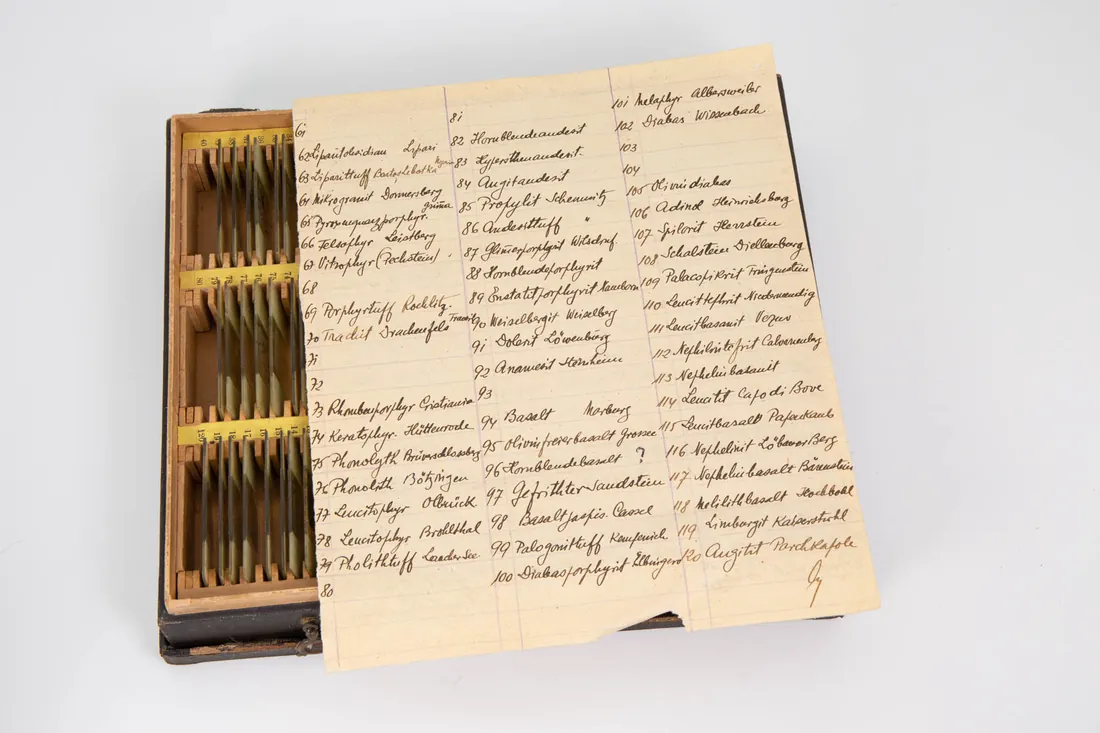
    Thin sections bought by Prof. Grigore Cobălcescu from Dr. F. Krantz in 1888
    Thin sections bought by Prof. Grigore Cobălcescu from Dr. F. Krantz in 1888
  5. 1891

    The first display cases

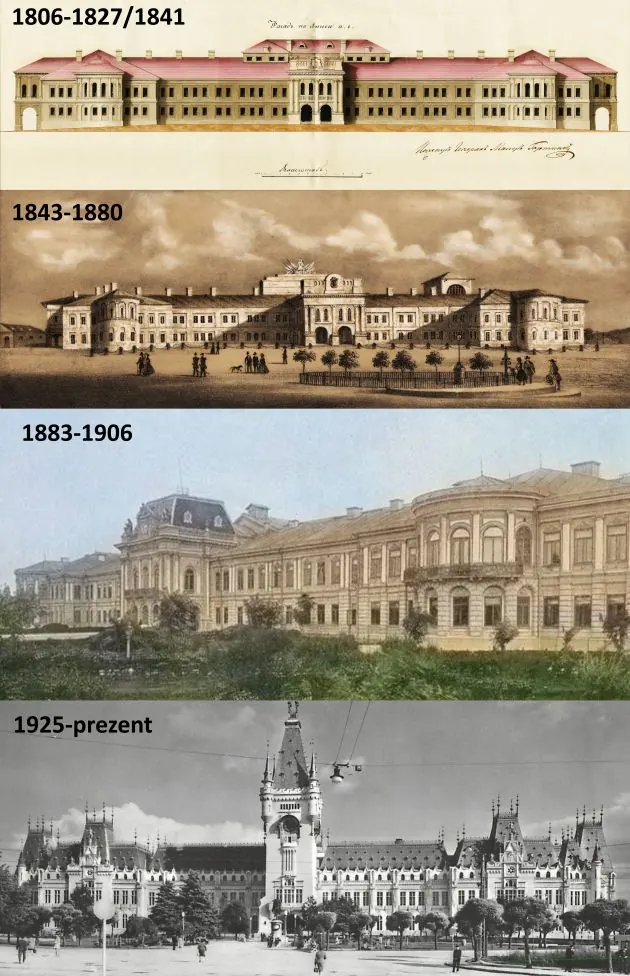
    Geology was taught in wholly inadequate rooms in the former princely residence of Prince Moruzi on Universității Street no. 16, which also housed the university’s other faculties. There was nowhere to display the material acquired at such great sacrifice.

    Read more

    At first, a small part of the collection was stored, still packed in its shipping crates, in the geology cabinet, while the rest was kept at the Military School of Iași, where Grigore Cobălcescu had taught for many years. After repeated requests, a private building at Golia Street (today Cuza Vodă) no. 67, owned by Maria David Ferber, was rented for the Geology Cabinet in 1891. Besides laboratories, lecture rooms and a director’s office, it offered a reasonable space for displaying the geology and mineralogy collections. Special display cases were needed but did not exist; once again, after much insistence, funds were obtained to build modern cases in which the material could be displayed and preserved in the best conditions.

    The princely palace built by Alexandru Moruzi in 1806, Iași
    The princely palace built by Alexandru Moruzi in 1806, Iași
  6. 1896

    A new home and a divided collection

    Alongside Grigore Cobălcescu, the Geology Cabinet employed Sava Athanasiu as a laboratory assistant from 1888 (while still a final-year student) and, from 1891, Romulus Sevastos as assistant and museum curator. Both contributed substantially to cataloguing and arranging the collection. The first inventory register, compiled by Sava Athanasiu, survives to this day. The work was supervised by Prof. Grigore Cobălcescu, who, although gravely ill, came to the laboratory every day to oversee it. Sorting the roughly 9,000 exhibits was painstaking: each sample’s name was written in German and had to be translated into Romanian, then labelled, numbered and entered in the register.

    Read more

    Despite the assistants’ efforts, by 21 May 1892, when Grigore Cobălcescu died in the laboratory at his desk, only a few cases had been arranged — the man who had made sacrifices for the collection, even contributing his own money, never saw it fully displayed. Identification and cataloguing were still under way in 1896, when the Geology and Mineralogy Cabinet, with all its equipment and collections, moved to today’s Building A of the University at Carol I Street no. 11, which offered excellent conditions for teaching and research as well as purpose-built rooms for displaying, storing and preserving minerals, rocks and fossils.

    After Cobălcescu’s death, the Chair of Geology and Mineralogy, founded in 1863, was split in two: Mineralogy–Petrography, led by Prof. Vasile C. Buțureanu, and Palaeontology–Stratigraphy, taught by zoology professor Paul Bujor (1862–1952) until 28 November 1900, when Ion Simionescu was appointed acting professor; he became associate professor in 1902 and, from 15 March 1905, full professor and head of the chair.

    Splitting the chair also split the collection: one part became a collection of minerals and endogenous rocks, the other a collection of animal and plant fossils. Over the years, both received spacious, well-lit rooms and new furniture for displaying the Krantz material, which was continually enriched with specimens from Romania.

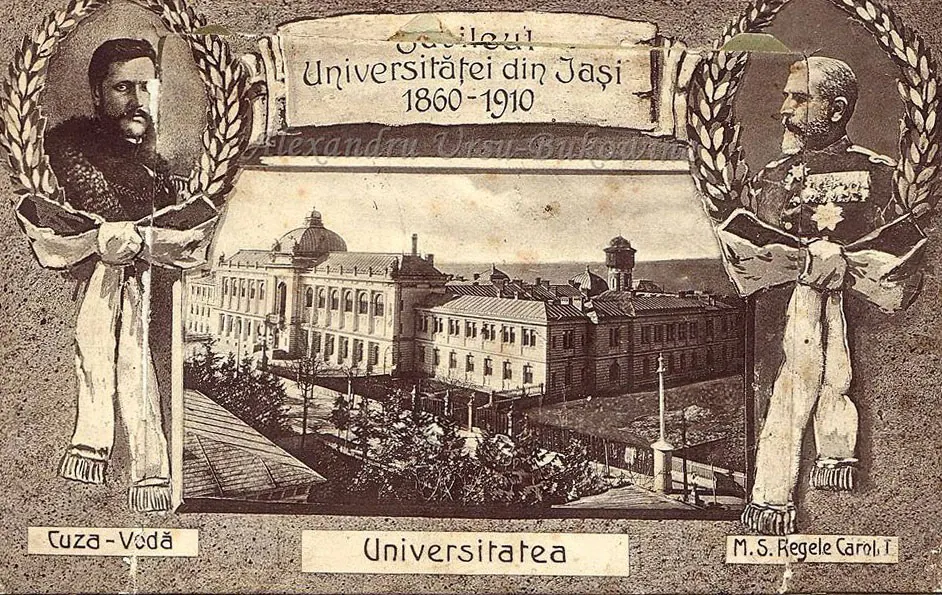
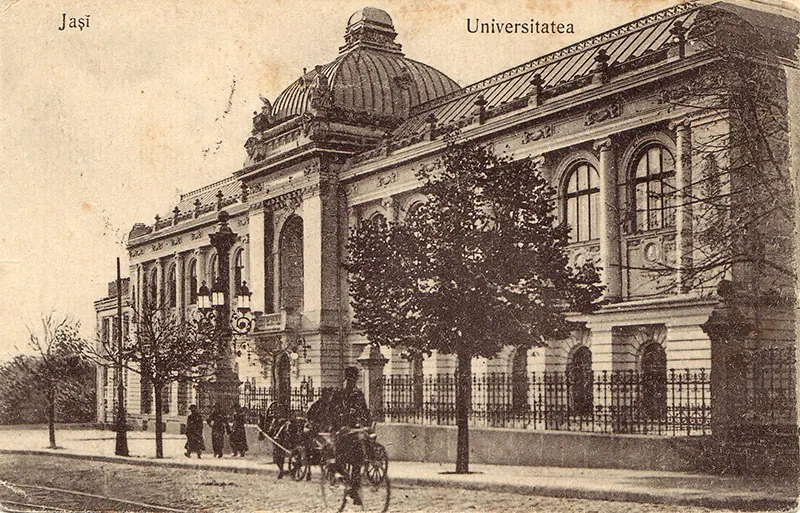
    The University of Iași (1912)
    The University of Iași (1912)
  7. 1896–1960

    The collections of minerals, ores and endogenous rocks

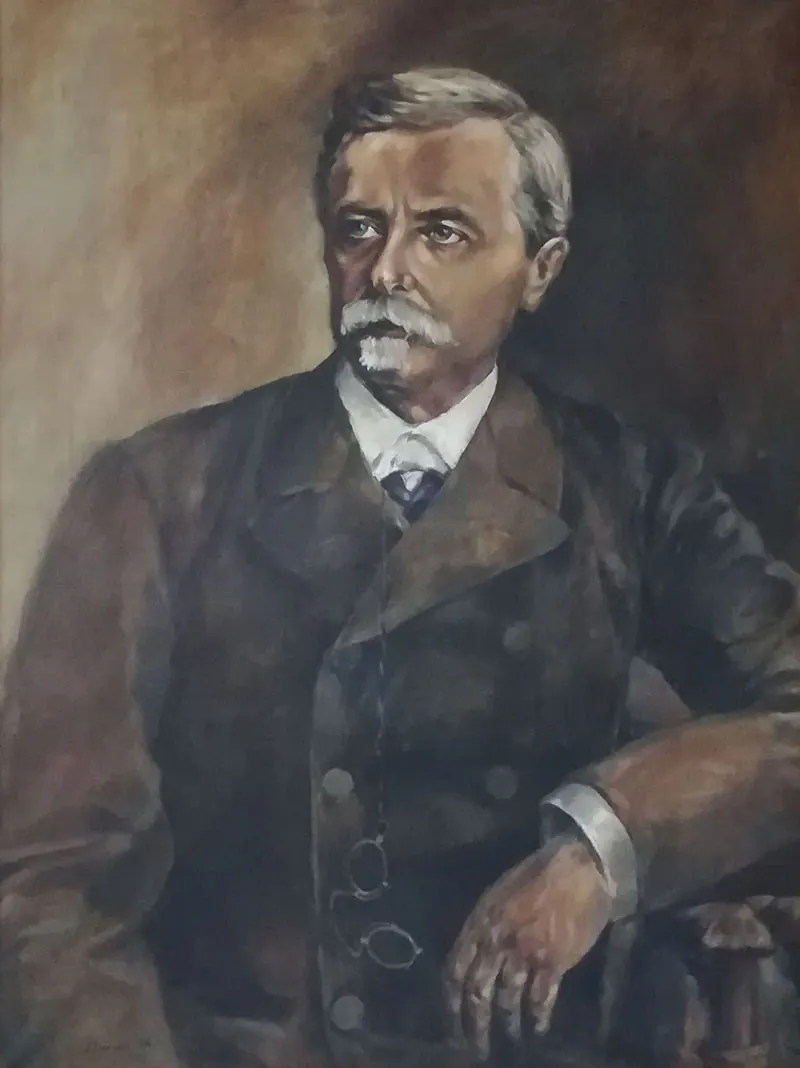
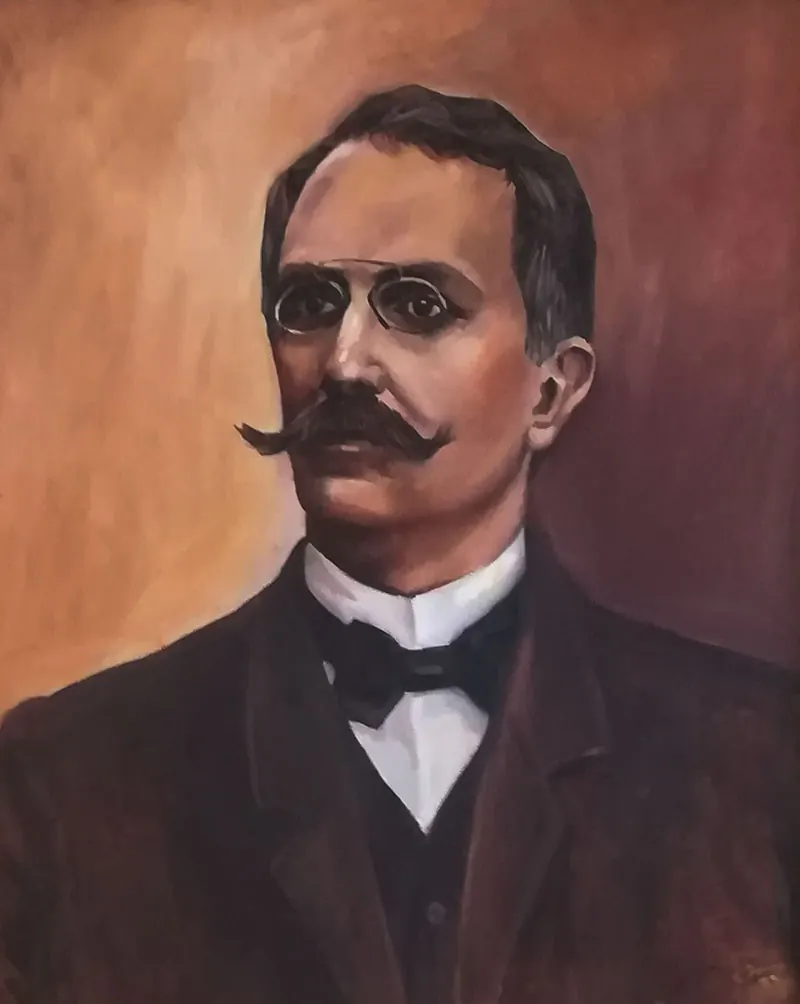
    The collections were assigned to the new Chair of Mineralogy and Petrography, looked after by Prof. V. C. Buțureanu from his appointment (1892) until his retirement (1936). He studied the collection in detail, arranged it according to his own classification, catalogued it, wrote the inventory register himself and added minerals and rocks from his personal collection.

    Soon after his appointment, Professor Buțureanu and his colleagues began unpacking the Krantz exhibits, and in 1903 the Mineralogy laboratory and its collection of minerals and rocks were visited by Prince Ferdinand, heir to the Romanian throne.

    Read more

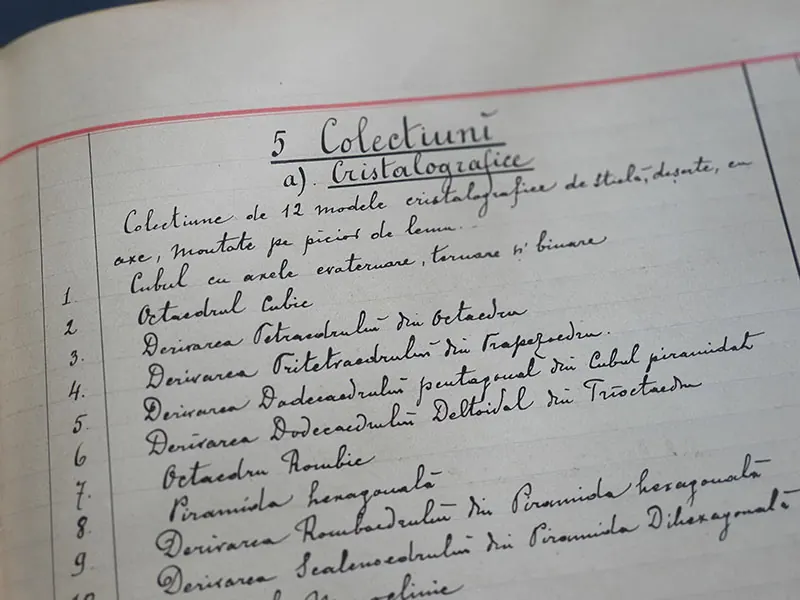
    The inventory register written by Prof. Vasile C. Buțureanu still survives, continued over the years by other members of staff. A new register, still in use today, was started in early 1960. Buțureanu’s register lists 2,827 mineral samples and 1,653 rocks. The actual number of samples is far higher, as many exist in several specimens and only one was counted for each entry.

    The chair’s holdings (instruments, furniture, collection, library), gathered through years of hard work and sacrifice, suffered significant losses during the Second World War, when they were evacuated to Alba Iulia and Zlatna.

    Vasile C. Buțureanu (25 December 1858 – 1 January 1941)
    Vasile C. Buțureanu (25 December 1858 – 1 January 1941)
    A page of the inventory register written by Vasile C. Buțureanu in 1892
    A page of the inventory register written by Vasile C. Buțureanu in 1892
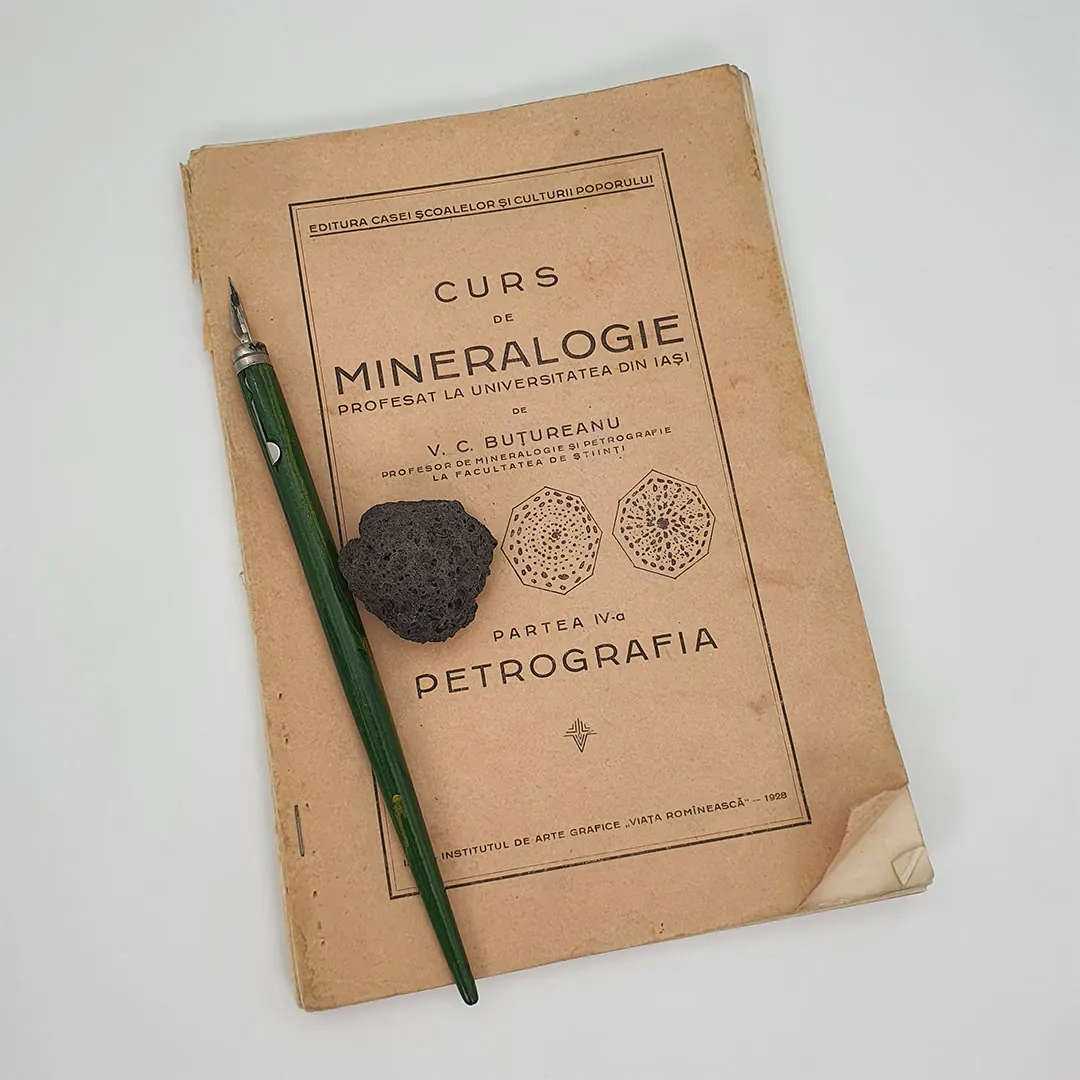
    Vasile C. Buțureanu (1928) — Mineralogy Course (Part IV)
    Vasile C. Buțureanu (1928) — Mineralogy Course (Part IV)
  8. 1963

    A new home: Building B

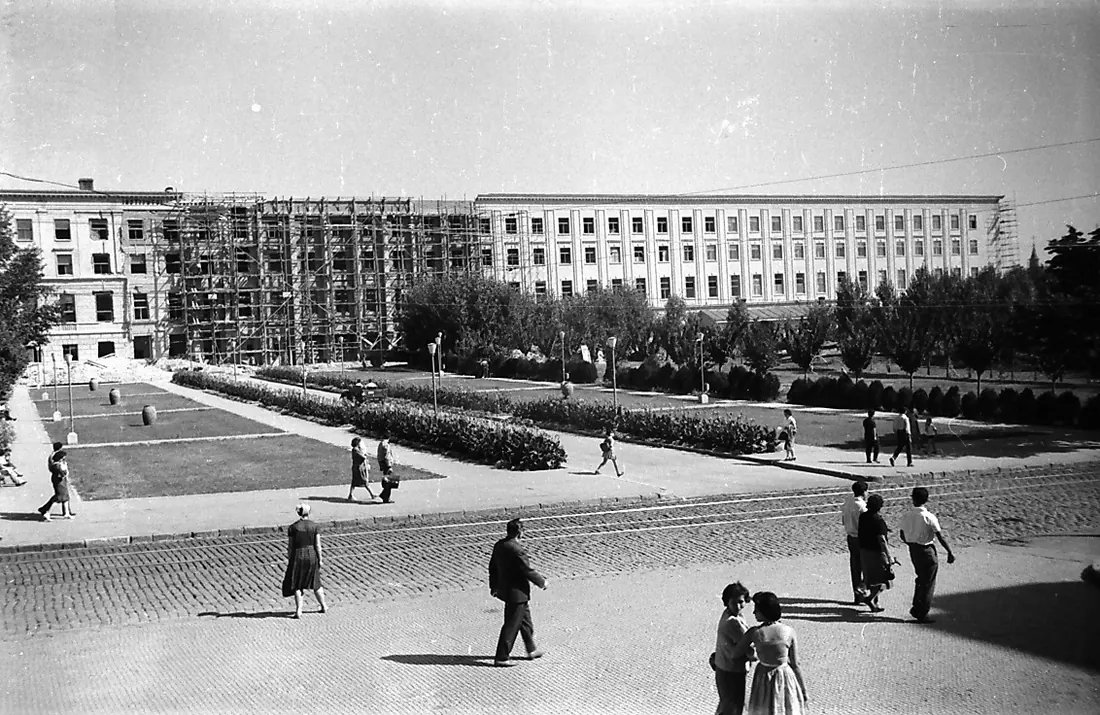
    In 1963, when the Faculty of Natural Sciences and Geography moved into the University’s new building for biology, geography and geology (Building B), the Chair of Geology and Mineralogy received the entire second floor: lecture and practical rooms, an amphitheatre, laboratories, collection rooms and offices. Three interconnected rooms of different sizes were designed for the mineralogy and petrography collection, fitted with metal-and-glass display cases designed by Assoc. Prof. Traian Idriceanu and built by a specialised company in Rădăuți (the old wooden cases were retired).

    Read more

    This opened a new chapter in the organisation, display and preservation of all the mineralogical and petrographic material gathered over more than 100 years of geology teaching at the University of Iași.

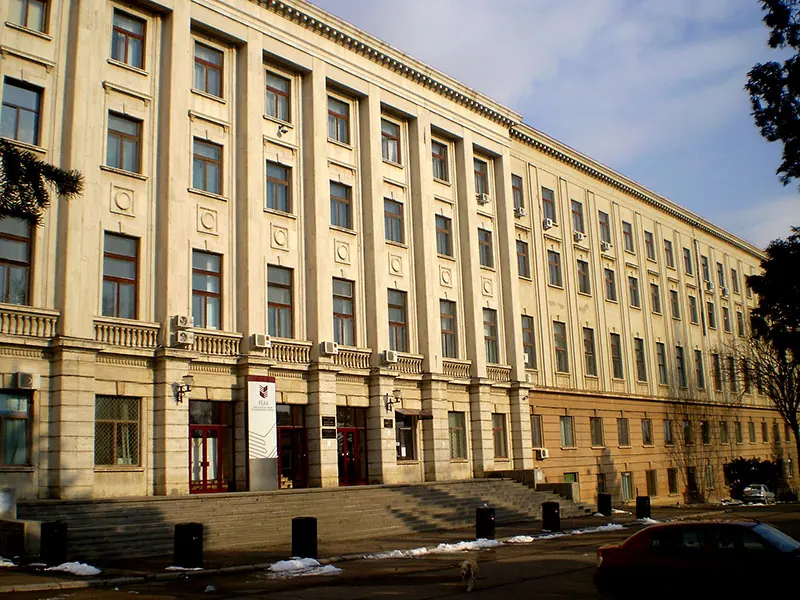
    Building B of Alexandru Ioan Cuza University of Iași in 1963
    Building B of Alexandru Ioan Cuza University of Iași in 1963
    Building B today
    Building B today
  9. 1990 – today

    Today

    1990 marked a new beginning for geology teaching in Iași, in both growth and organisation. Today the Faculty of Geography and Geology comprises the Department of Geography and the Department of Geology. The former chairs of Geology–Palaeontology and Mineralogy–Geochemistry were merged into the Department of Geology, which trains students at every level of university study.

    Read more

    The bachelor’s programme covers two fields, each with one specialisation: Geological Engineering and Geology (Geochemistry). At master’s level, students can choose Well-site and Environmental Geology or Environmental Geochemistry. Doctoral studies are offered in Geology.

    The “Grigore Cobălcescu” Mineralogy and Petrography Collection
    The “Grigore Cobălcescu” Mineralogy and Petrography Collection

Type-locality minerals from Romania

More than 800 minerals have been described from Romania, and 35 of them were described here for the first time — their type locality is in Romania.

35
MineralFormulaType locality
AlabanditeMnSSăcărâmb (Sacarîmb; Sekeremb; Nagyág), Hunedoara
AlburniteAg8GeTe2S4Roșia Montană (Verespatak; Vöröspatak; Goldbach), Alba
AlloclasiteCo1-xFexAsSOravița (Oravicza; Orawitza), Oravița-Ciclova Cu-Mo-(W) ore field, Caraș-Severin
ArdealiteCa2(PO3OH)(SO4) · 4H2OCioclovina cave, Boșorod, Hunedoara
CuproneyiteCu7Pb27Bi25S68Băița Bihor (Rézbánya), Bihor
CyanotrichiteCu4Al2(SO4)(OH)12 · 2H2OMoldova Nouă Mine (Moldova Nova; Neumoldowa; Neu-Moldava; Újmoldova; Nová Moldava), Caraș-Severin
Dietrichite(Zn,Fe2+,Mn2+)Al2(SO4)4 · 22H2OBaia Sprie (Felsőbánya), Maramureș
FelsőbányaiteAl4(SO4)(OH)10 · 4H2OBaia Sprie (Felsőbánya), Maramureș
FizélyiteAg5Pb14Sb21S48Mina Herja, Chiuzbaia (Kisbánya), Maramureș
FülöppitePb3Sb8S15Dealul Crucii (Crucii Hill; Kreuzberg; Kereszthegy), Baia Mare, Maramureș
GrațianiteMnBi2S4Băița Bihor (Rézbánya), Bihor
HemimorphiteZn4Si2O7(OH)2 · H2OBăița Bihor (Rézbánya), Bihor
HörnesiteMg3(AsO4)2 · 8H2OCiclova (Csiklova), Caraș-Severin
KlebelsbergiteSb4O4(SO4)(OH)2Baia Sprie (Felsőbánya), Maramureș
KrautiteMn(HAsO4) · H2OSăcărâmb (Sacarîmb; Sekeremb; Nagyág), Hunedoara
KrenneriteAu3AgTe8Săcărâmb (Sacarîmb; Sekeremb; Nagyág), Hunedoara
LudwigiteMg2Fe3+(BO3)O2Ocna de Fier, Caraș-Severin
Magnesio-fluoro-hastingsiteNaCa2(Mg4Fe3+)(Si6Al2)O22F2Uroi Hill (Arany Hill), Simeria, Hunedoara
MakovickyiteCu1.12Ag0.81Pb0.27Bi5.35S9Băița Bihor (Rézbánya), Bihor
Merrihueite(K,Na)2(Fe2+,Mg)5Si12O30Mezö-Madaras meteorite, Mureș
Museumite[Pb2(Pb,Sb)2S8][(Te,Au)2]Săcărâmb (Sacarîmb; Sekeremb; Nagyág), Hunedoara
MuthmanniteAuAgTe2Săcărâmb (Sacarîmb; Sekeremb; Nagyág), Hunedoara
Nagyágite[Pb3(Pb,Sb)3S6](Au,Te)3Săcărâmb (Sacarîmb; Sekeremb; Nagyág), Hunedoara
PadĕraiteCu7[(Cu,Ag)0.33Pb1.33Bi11.33]S22Băița Bihor (Rézbánya), Bihor
PetziteAg3AuTe2Săcărâmb (Sacarîmb; Sekeremb; Nagyág), Hunedoara
PseudobrookiteFe2TiO5Uroi Hill (Arany Hill), Simeria, Hunedoara
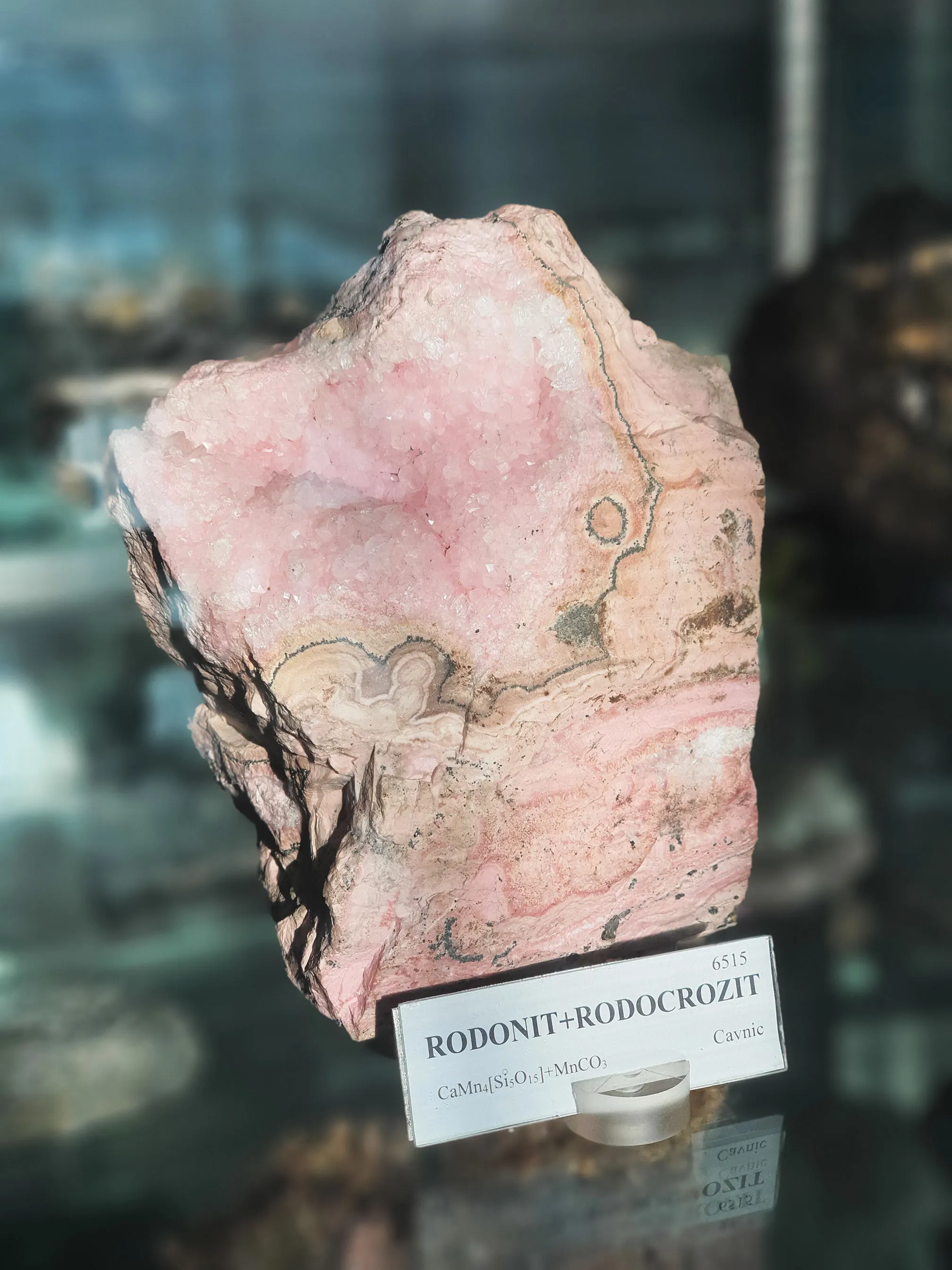
RhodochrositeMnCO3Cavnic Mine (Kapnikbánya), Maramureș
SemseyitePb9Sb8S21Baia Sprie (Felsőbánya), Maramureș
StütziteAg5-xTe3, x = 0.24-0.36Săcărâmb (Sacarîmb; Sekeremb; Nagyág), Hunedoara
Sylvanite(Au,Ag)2Te4Baia de Arieș, Alba
SzaibélyiteMgBO2(OH)Băița Bihor (Rézbánya), Bihor
SzmikiteMnSO4 · H2OBaia Sprie (Felsőbánya), Maramureș
TelluriteTeO2Fața Băii (Facebánya; Facebay; Fatiabaja), Zlatna, Alba
TelluriumTeFața Băii (Facebánya; Facebay; Fatiabaja), Zlatna, Alba
Veszelyite(Cu,Zn)2Zn(PO4)(OH)3 · 2H2OOcna de Fier, Caraș-Severin

2nd floor, Building B

The collections

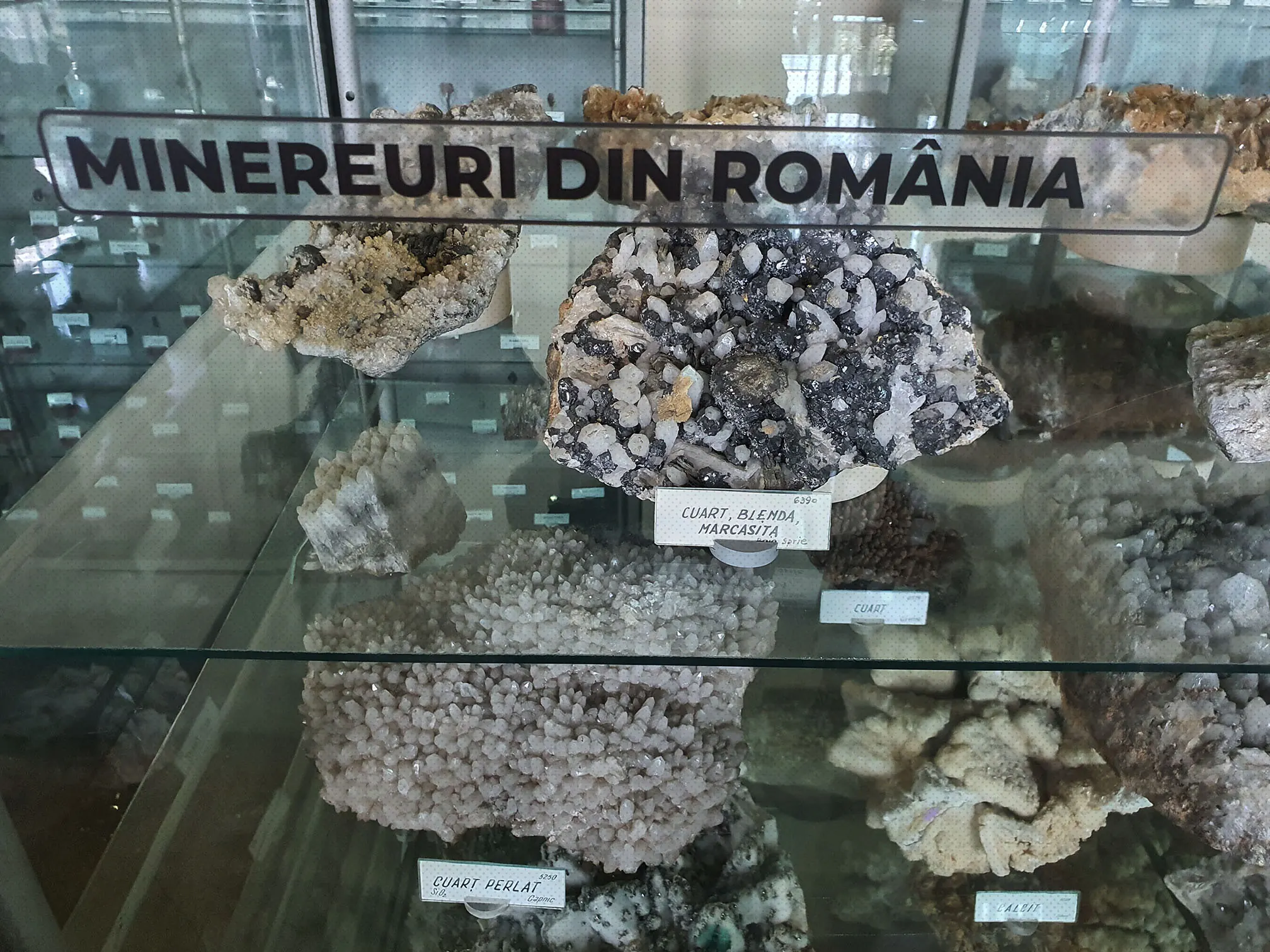
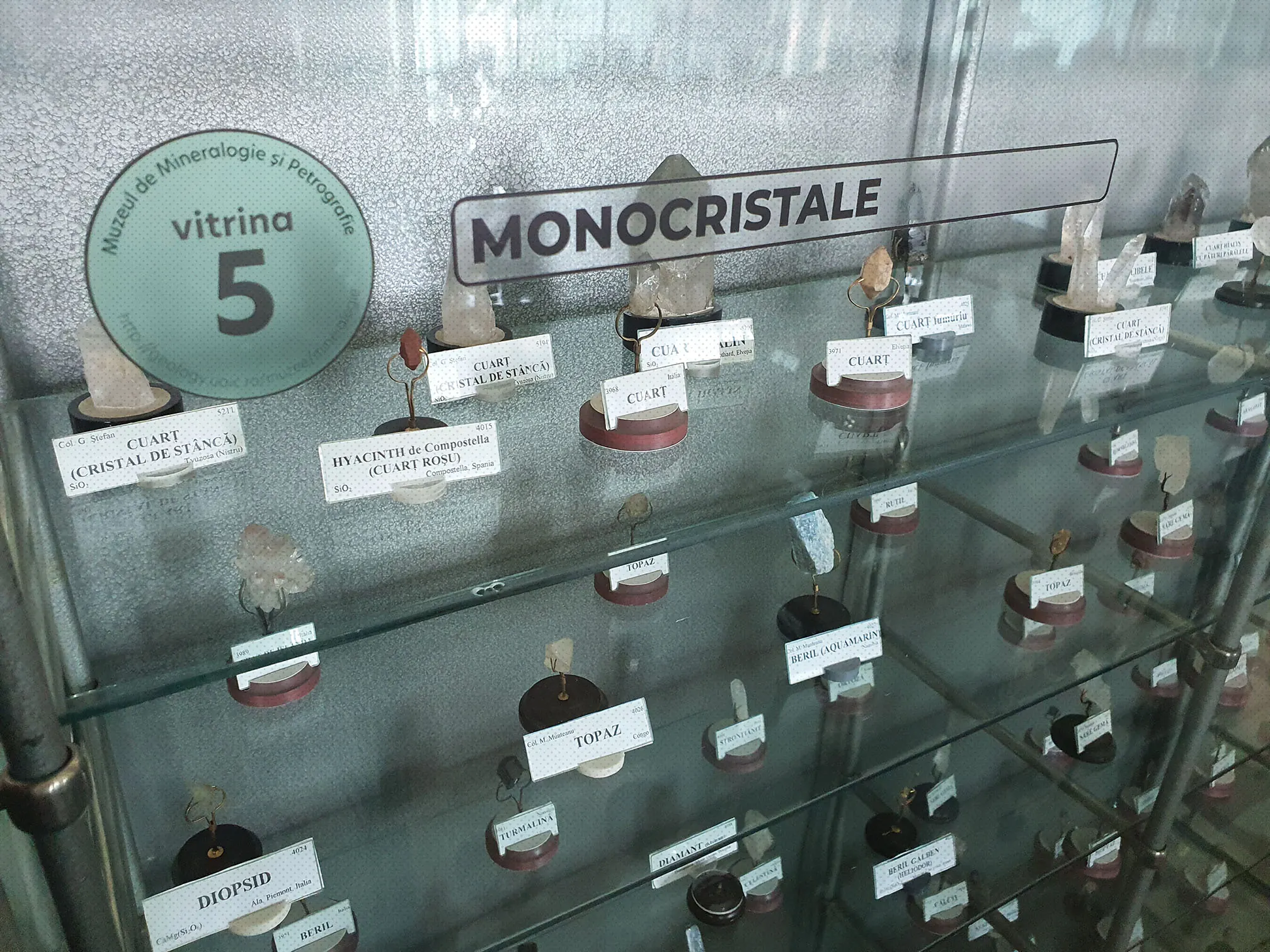
The collection is on the 2nd floor of Building B of Alexandru Ioan Cuza University of Iași. Some exhibits are displayed in the cases of the Great Hall, others along the halls of the Department of Geology.

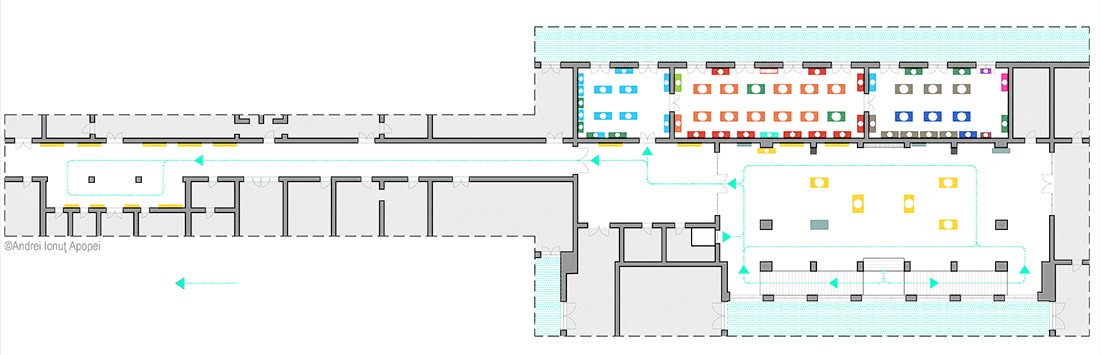
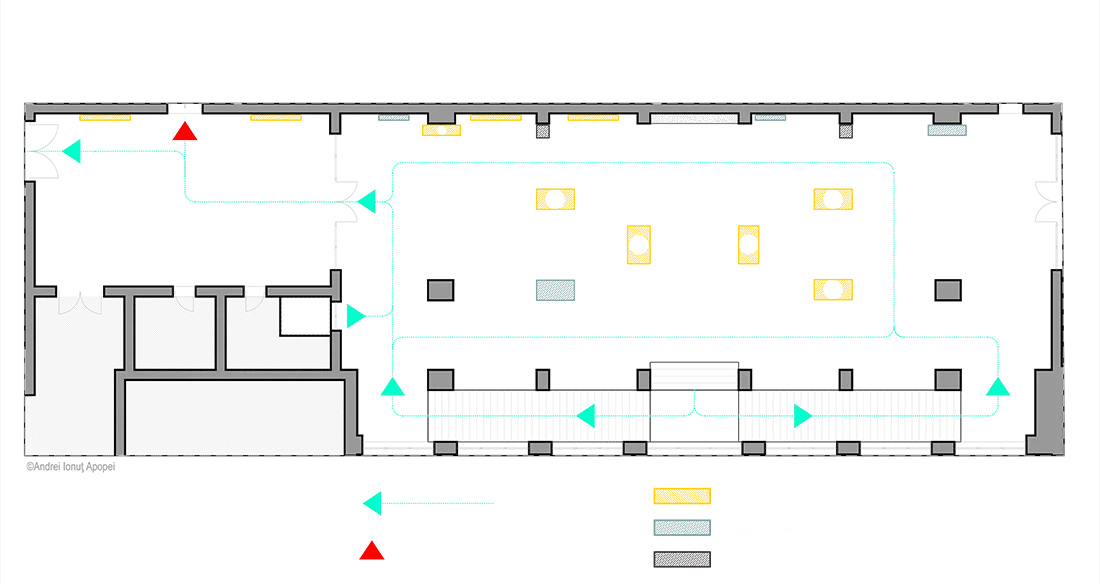
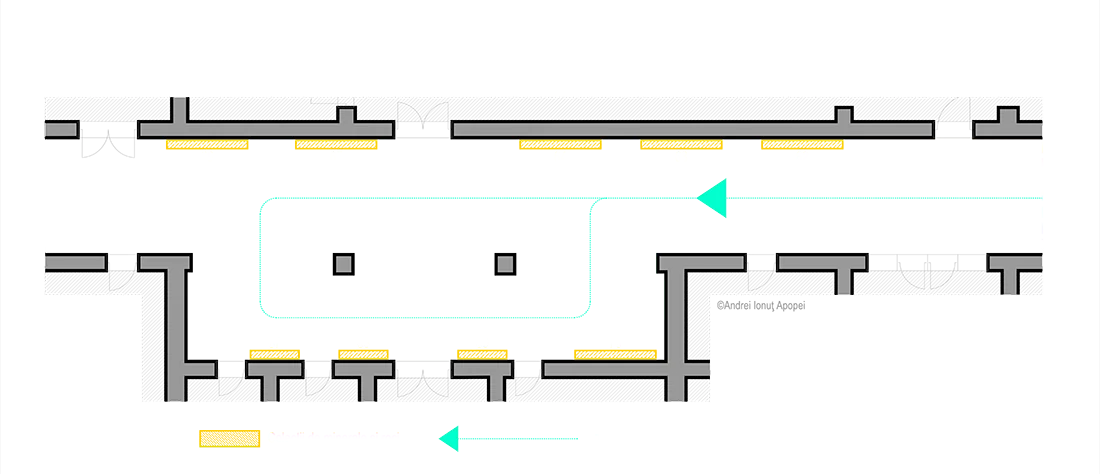
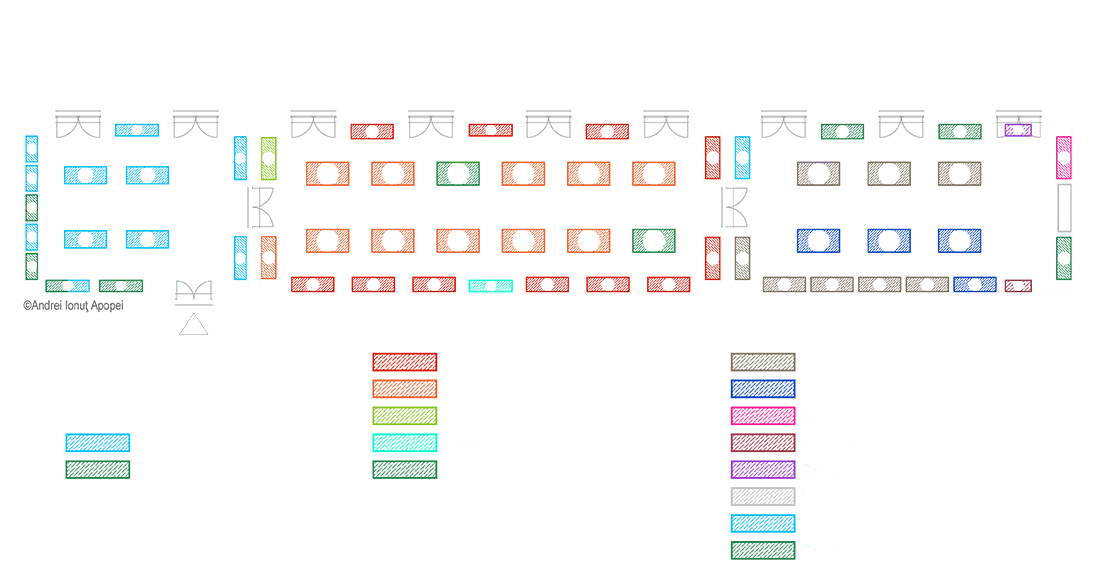
2nd floor, Building B: the museum rooms, the Great Hall and the department halls
The Great Hall: besides minerals and rocks, it also houses 4 fossil collections
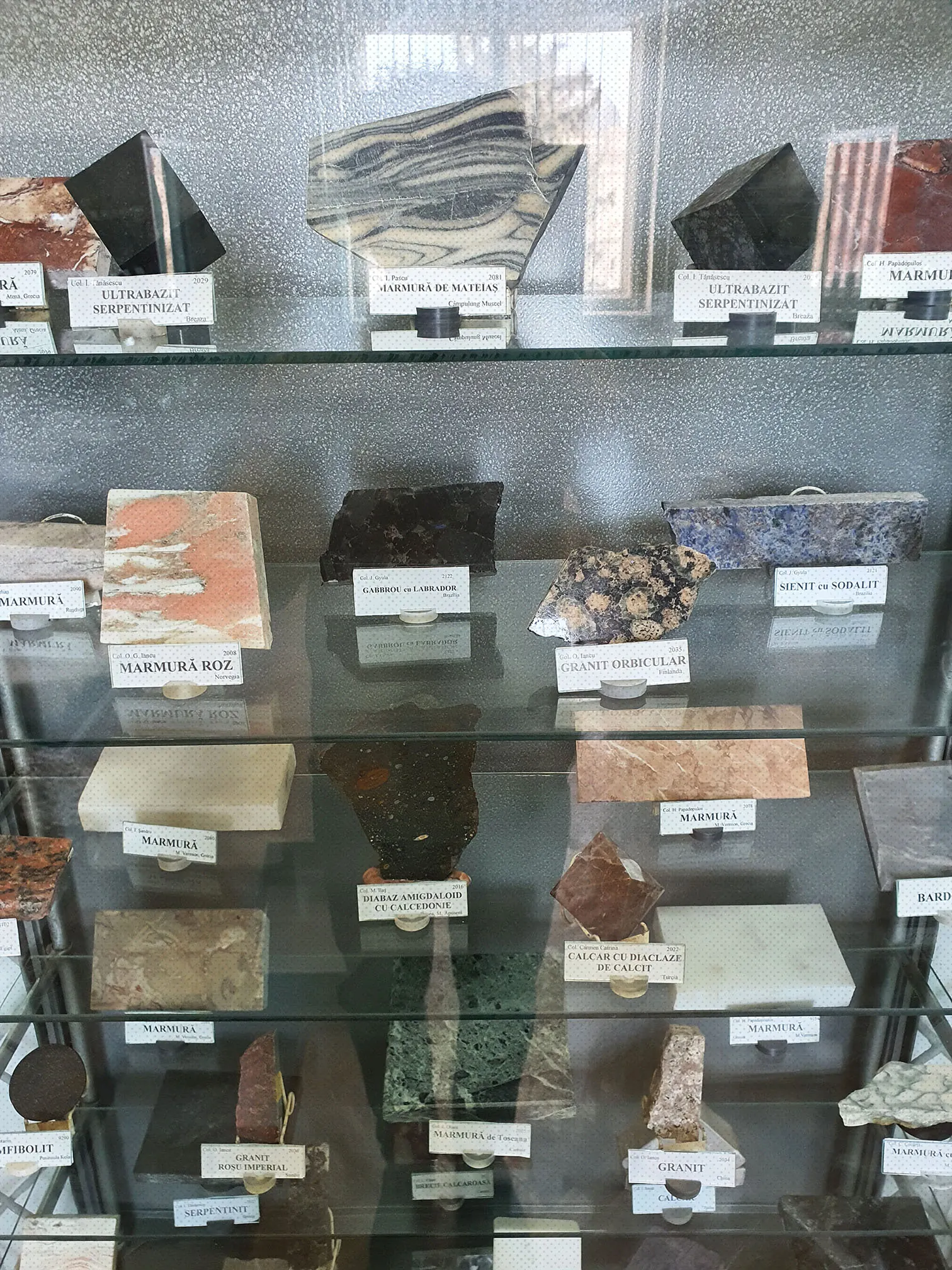
The Department of Geology halls: 19 display cases (Case 60 – Case 78) with igneous, metamorphic and sedimentary rocks from Romania, ore samples, fossil fuels and synthetic minerals

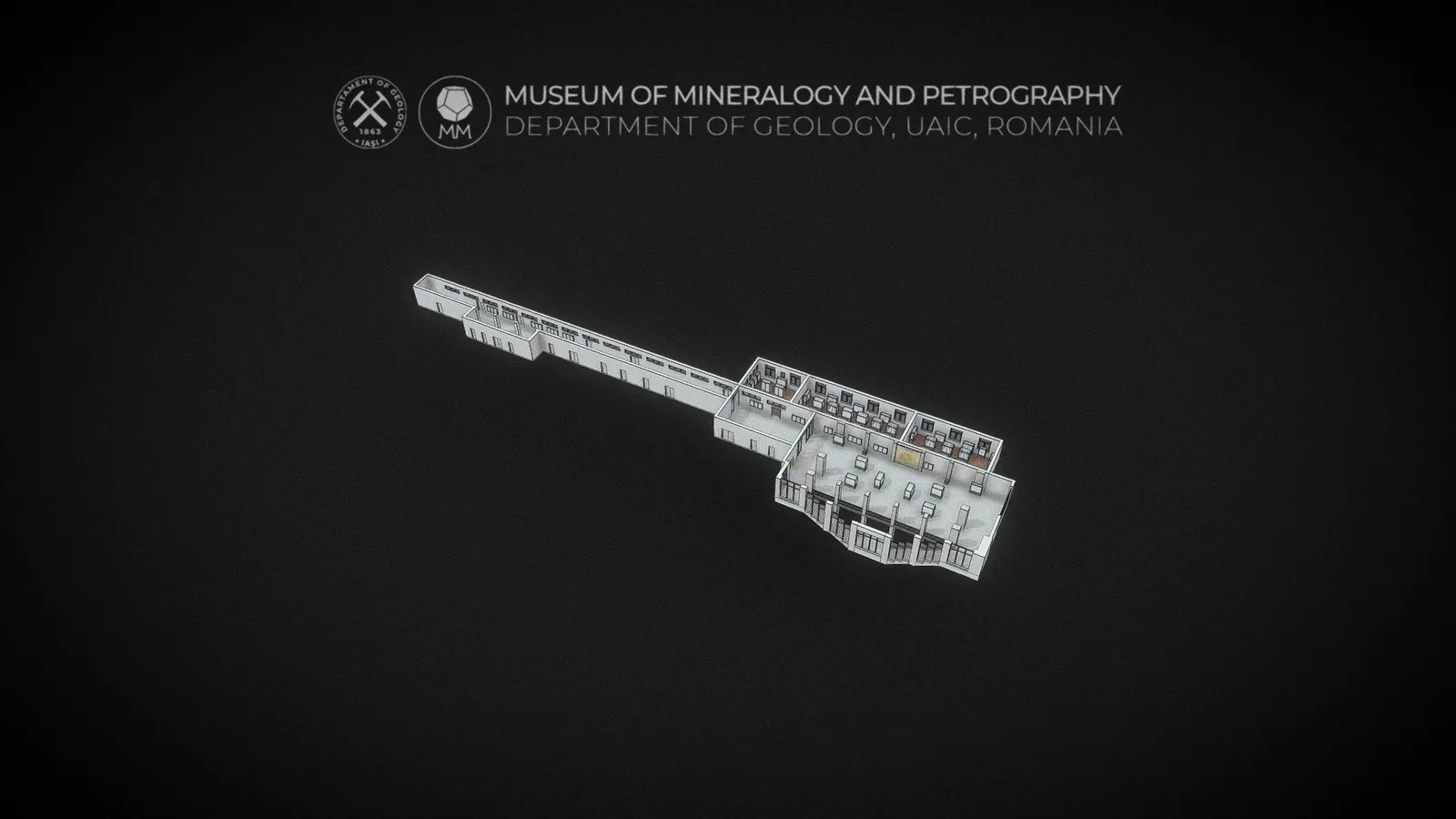
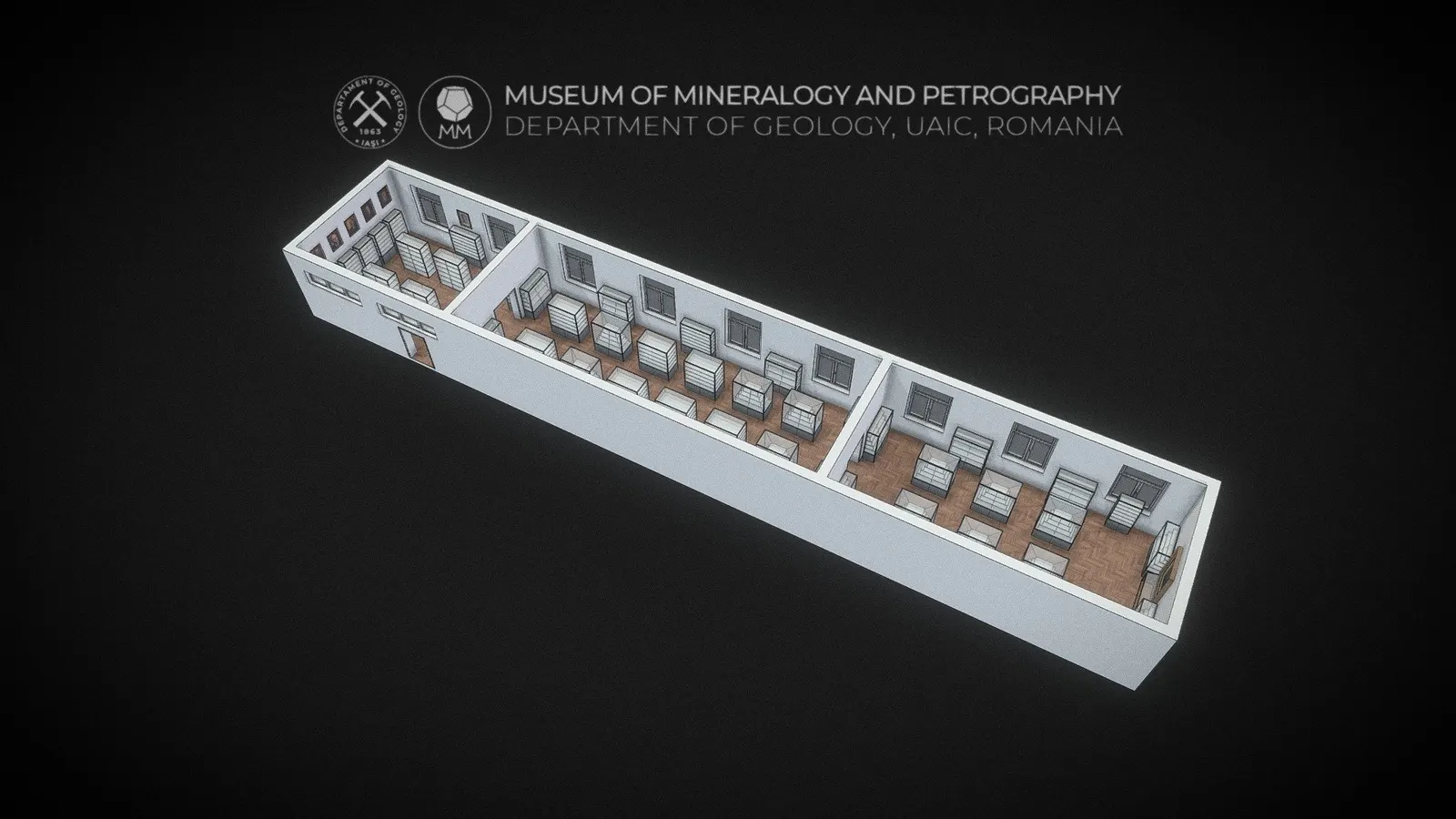
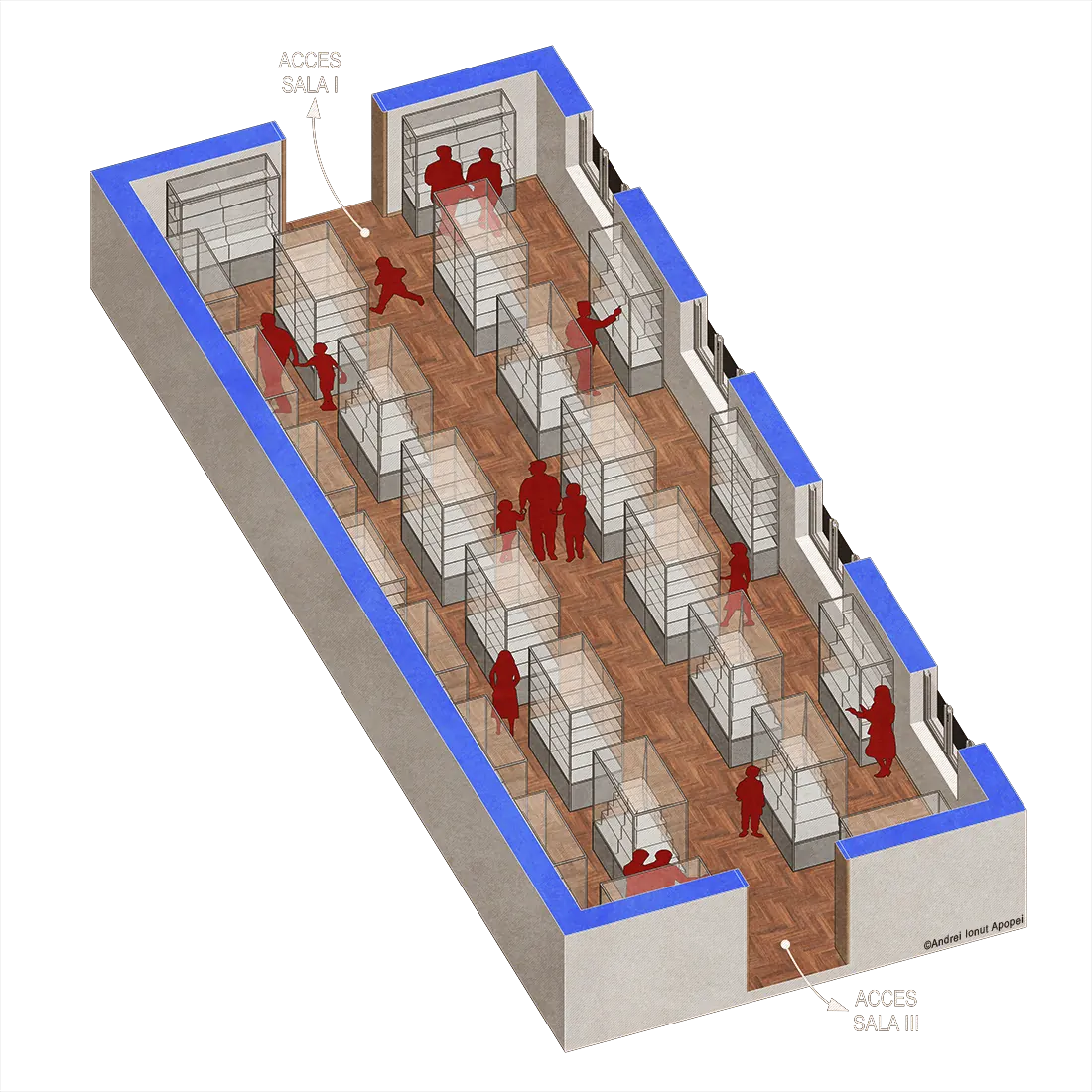
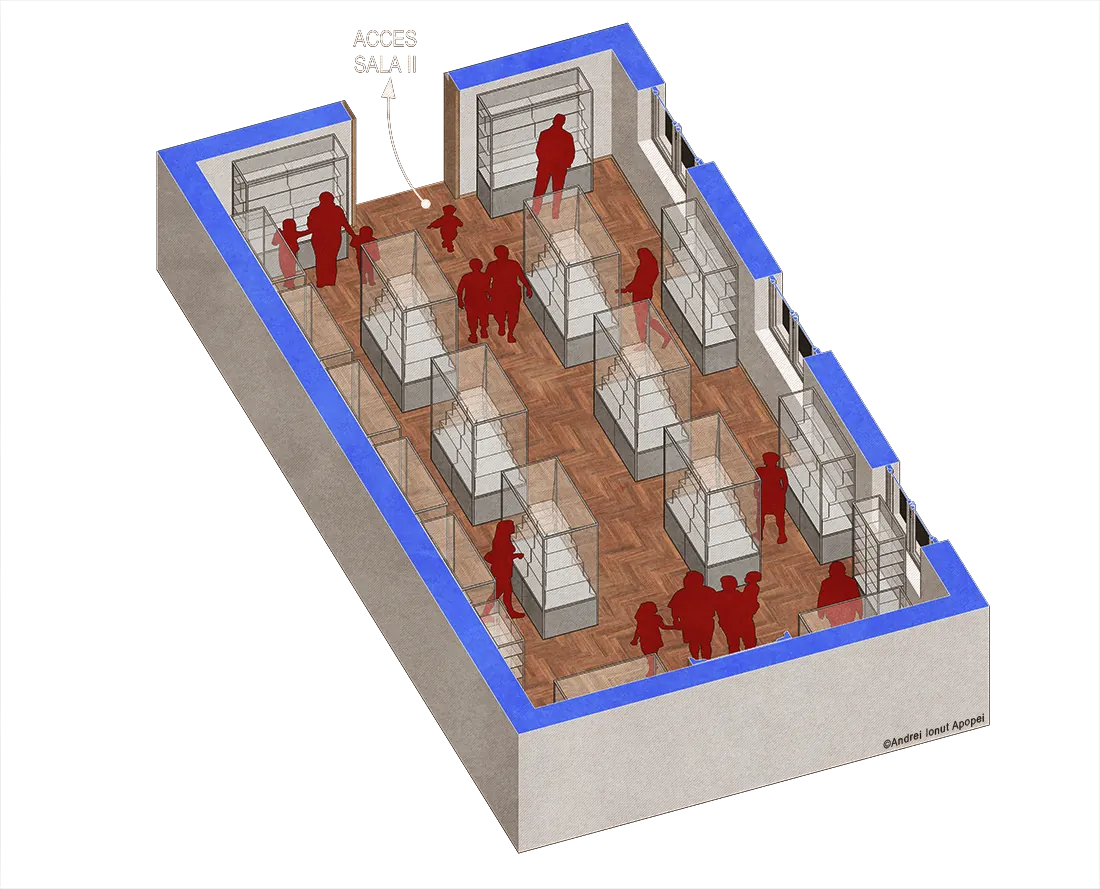
The three museum rooms

Most exhibits are displayed in the museum’s three rooms. The collections are grouped as follows:

Plan of the three rooms

The model loads from Sketchfab, which may set cookies.

The museum rooms in 3D View on Sketchfab (opens in a new tab)
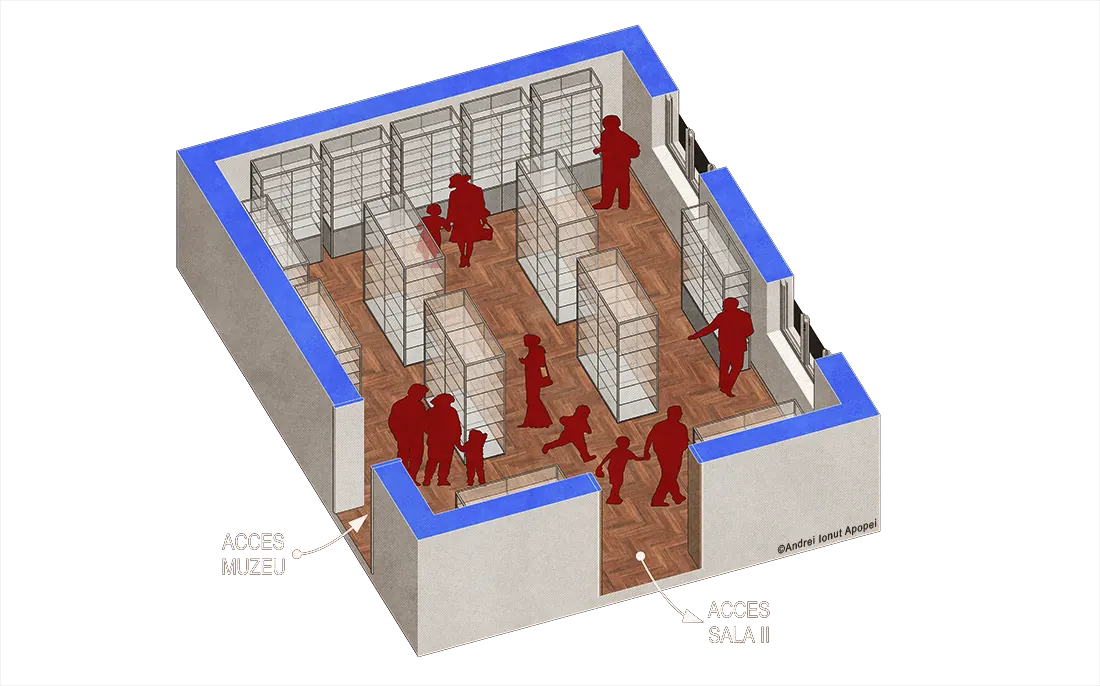
Room I
Room I
Personal collections and doctoral theses
1,390 samples of rocks, minerals and ores from key areas of Romania that supported doctoral research in the geosciences.
Doctoral theses 14
AuthorSamplesDoctoral thesis
Mircea Savul1541924. A study of the crystalline schists of the Șarul Dornei – Bistrița region (Câmpulung District). Completed with rocks and minerals from the Eastern Carpathians and Dobrogea.
Dimitrie Gh. Cădere541925. The eruptive rocks of Camena, Dobrogea: a geological, petrographic and chemical study.
Virgil Ianovici441929. A study of the Ditrău syenite massif, Jolotca region, Ciuc district.
Orest Nichita1231933. A petrographic and chemical study of the Neagra and Haita valleys in the Călimani Mountains (Câmpulung County).
Aurel Juncu421948. Relations between the petrographic and technological properties of building stones from Romanian quarries.
Alexandrina Barbu441960. Petrological and structural analysis of the Iacobdeal – Turcoaia eruptive massif (North Dobrogea).
Viorel Erhan1641970. A geological study of the Valea Putnei – Giumalău region (Eastern Carpathians).
Gheorghe Popa841971. A mineralogical, petrographic and geochemical study of the Șarul Dornei – Dealul Rusului manganese ore deposit (Eastern Carpathians).
Haino Uwe Kasper511973. A mineralogical and geochemical study of garnet-bearing rocks from the crystalline basement of the Eastern and Southern Carpathians.
Constantin Cocârță991974. A mineralogical, petrographic and geochemical study of the porphyroids of the Eastern Carpathian crystalline basement.
Titus Murariu421974. A mineralogical, geochemical and structural study of the pegmatites of the Rodna Mountains.
Emanoil Gandrabura791976. A mineralogical, petrographic and geochemical study of the Mesozoic volcanics of the Trascău Mountains.
Mihai Oniceanu1981976. A mineralogical, petrographic and structural study of the crystalline basement between Ineu Peak and the Bretila anticline (Eastern Carpathians).
Gyula Jakab691982. A mineralogical and geochemical study of the metal ore mineralisation between Voșlobeni and Corbu (Eastern Carpathians).
Personal collections 10
CollectorSamplesCollection
Vasile C. Buțureanu681916. Rocks and minerals from the Broșteni crystalline massif (Eastern Carpathians).
Alexandru Chelărescu521938. Rocks and minerals from the Roza-Bretila, Tulgheș and Bălan area (Eastern Carpathians).
Traian Idriceanu641959. Rocks and minerals from Gemenea – Ostra (Eastern Carpathians) and Somova (Dobrogea).
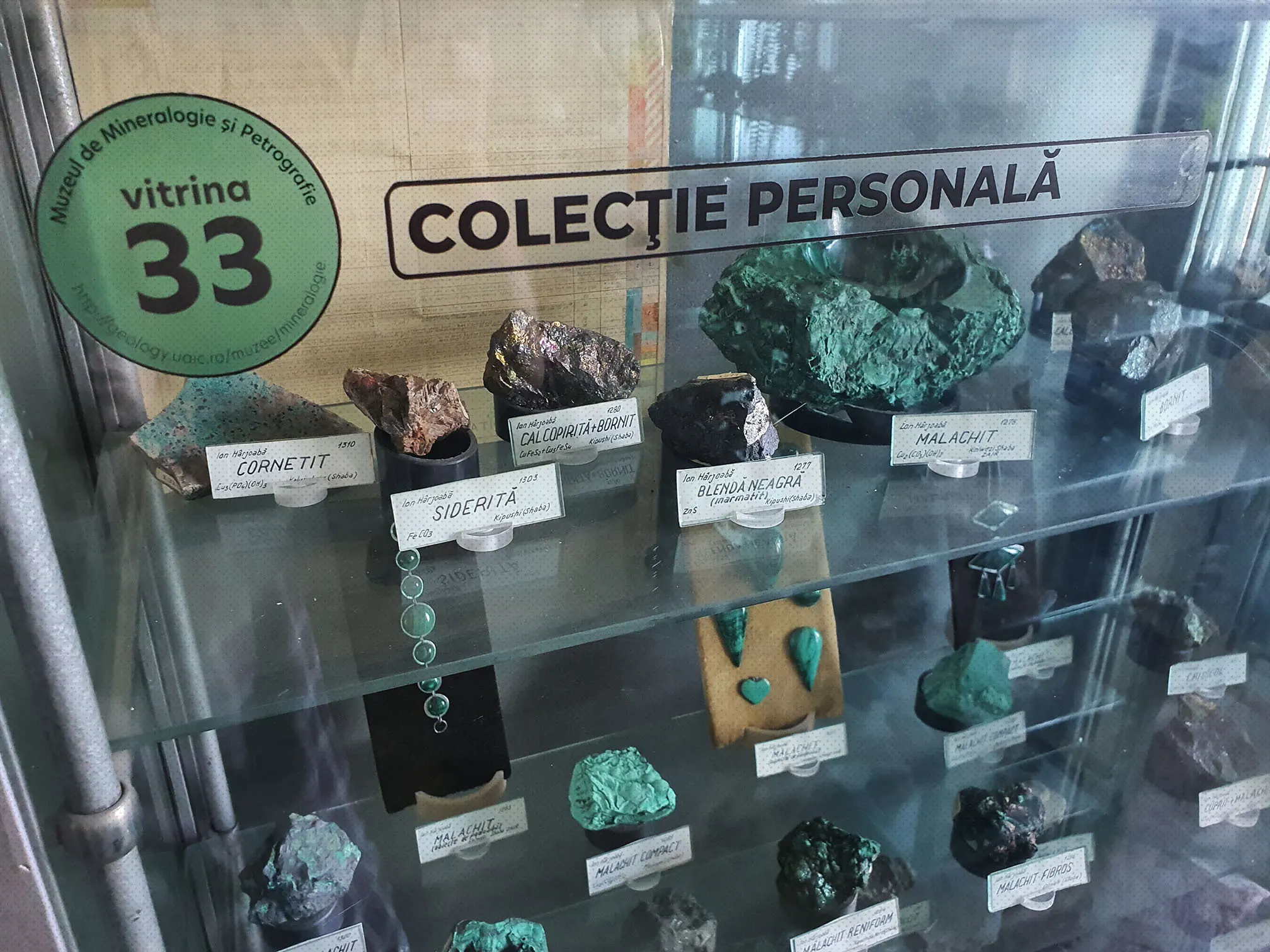
Ioan Hârjoabă481973. Rocks and minerals from Shaba Province, Democratic Republic of the Congo.
Viorel Erhan791977. Products of Laramide magmatism from the Budureasa area (Apuseni Mountains).
Victor Șabliovschi and Marian Ivan521994. Volcanic products (basalts, scoria, tuffs, contact rocks) from Racoșul de Jos – Cuciulata and Comana (Brașov County).
Ovidiu Gabriel Iancu372008. Rocks and minerals from the Western Alps.
Constantin Cocârță1292015. Rocks from different geological settings in Europe, the North Atlantic and the Indian Ocean.
Gheorghe Damian102019. Hydrothermal deposits of the Baia Mare metallogenetic district.
Helmar Friedrich Max Schuster3882023. Sands from all over the world.

The collection in numbers

1,939minerals
3,434rocks
1,180ore deposits

samples in the database

69% from Romania · 4,530 / 6,553
Up-to-date statistics
Mineral classesNumber of minerals in the collection, by class
  • Silicates 876
  • Sulfides and sulfosalts 294
  • Carbonates, nitrates and borates 219
  • Oxides and hydroxides 203
  • Sulfates, chromates and selenates 129
  • Phosphates, arsenates and vanadates 67
  • Native elements 55
  • Halides 53
  • Synthetic minerals 53
  • Organic minerals and compounds 25
Show the data as a table
CategorySamplesShare
Silicates87644%
Sulfides and sulfosalts29415%
Carbonates, nitrates and borates21911%
Oxides and hydroxides20310%
Sulfates, chromates and selenates1297%
Phosphates, arsenates and vanadates673%
Native elements553%
Halides533%
Synthetic minerals533%
Organic minerals and compounds251%
Where the samples come fromMost samples come from Romania; the chart shows the other countries.
  • Germany 475
  • Italy 285
  • France 210
  • United States 94
  • Czechia 75
  • United Kingdom 74
  • Austria 69
  • Switzerland 57
  • Greece 52
  • Congo - Kinshasa 51
  • Slovakia 51
  • Russia 42
  • Sweden 32
  • Poland 30
  • 49 other countries 321
  • Unspecified 105
Show the data as a table
CountrySamplesShare
Romania4,53069%
Germany4757%
Italy2854%
France2103%
United States941%
Czechia751%
United Kingdom741%
Austria691%
Switzerland570.9%
Greece520.8%
Congo - Kinshasa510.8%
Slovakia510.8%
Russia420.6%
Sweden320.5%
Poland300.5%
Norway260.4%
Canada220.3%
Brazil200.3%
Bulgaria200.3%
Iceland200.3%
Ireland170.3%
Moldova170.3%
China150.2%
Mexico120.2%
Spain110.2%
Türkiye110.2%
Denmark100.2%
India100.2%
Finland90.1%
South Africa90.1%
Australia70.1%
Hungary70.1%
Morocco70.1%
Japan60.1%
Namibia60.1%
Algeria50.1%
Chile50.1%
Tunisia50.1%
Albania40.1%
Belgium40.1%
Ukraine40.1%
Greenland30%
Kosovo30%
Bolivia20%
Egypt20%
Indonesia20%
Madagascar20%
Slovenia20%
Cameroon10%
Congo - Brazzaville10%
Estonia10%
Gabon10%
Kazakhstan10%
Libya10%
Malawi10%
Netherlands10%
Nigeria10%
North Macedonia10%
Portugal10%
Sri Lanka10%
Sudan10%
Thailand10%
Uzbekistan10%
Vietnam10%
Unspecified1052%
Search the database All 6,553 samples, with photographs, filters and statistics (records in Romanian).

Heritage · education · culture

Mission

Our mission is to preserve, research and promote geological heritage in order to advance the Earth Sciences for the benefit of every kind of visitor.

The “Grigore Cobălcescu” Mineralogy and Petrography Collection forges covalent bonds between heritage, education and culture — a journey into the fascinating world of rocks and minerals.

The model loads from Sketchfab, which may set cookies.

Gypsum — “desert rose”, Morocco View on Sketchfab (opens in a new tab)

Priorities

  1. Growing the collection with minerals and rocks from Romania and abroad
  2. Digitising the collections so they are accessible to everyone: researchers, teachers, students, pupils and enthusiasts
  3. Developing digital teaching resources
  4. Researching systematically to create creative thematic content
  5. Running educational projects, activities and workshops
  6. Popularising Geology through interactive digital solutions: apps, games, thematic maps
  7. Refining the collection’s visual identity, to find the elements that give meaning to its vision and mission

Publications

  1. 2026
  2. 2025
  3. 2025
  4. 2025
  5. 2024
  6. 2021

    Digital 3D models of Minerals and Rocks in a nutshell: Enhancing scientific, learning, and cultural heritage environments in Geosciences by using cross-polarized light photogrammetry (opens in a new tab)

    Apopei A. I., Buzgar N., Buzatu A., Maftei A. E., Apostoae L. · Carpathian Journal of Earth and Environmental Sciences, 16(1), 237–249 · DOI 10.26471/cjees/2021/016/170

Interactive installations

From the visitors’ book

What visitors say

  • O colecție impresionantă pe care oricine ar vrea să o dețină!!! (sau măcar să o viziteze zilnic... 3-4 ore...).

    Translation: An impressive collection anyone would want to own!!! (or at least visit every day... for 3-4 hours...).

    — Soil Science MSc student, 1st year

  • O colecție mare și interesantă ce acoperă o gamă extrem de variată de eșantioane. Faptul că primele eșantioane fac parte din colecție de peste 140 de ani, atestă tradiția în Geologie a Universității 'Alexandru Ioan Cuza' din Iași.

    Translation: A large and interesting collection covering an extremely varied range of samples. The fact that the first samples have been part of the collection for over 140 years attests to the geological tradition of “Alexandru Ioan Cuza” University of Iași.

    — student, Faculty of Biology and Geology, Babeș-Bolyai University, Cluj-Napoca

  • Am avut prilejul să simțim vibrațiile exponatelor din colecție și să admirăm bogățiile minerale de pretutindeni. Am deschis o mulțime de ferestre și rămâne să cristalizăm ce-am acumulat prin aceste deschideri.

    Translation: We had the chance to feel the vibrations of the exhibits and to admire mineral riches from everywhere. We opened many windows, and now it remains for us to crystallise what we gathered through them.

    — “St. Andrew the Apostle” Foundation

  • Très beau musée de minéralogie et de pétrographie, contenant de beaux spécimens. Félicitations pour l’organisation.

    Translation: A very beautiful museum of mineralogy and petrography, with beautiful specimens. Congratulations on the organisation.

    — Director, École Nationale Supérieure d’Ingénieurs de Poitiers, Université de Poitiers

  • Mă bucur, de câte ori trec prin locurile studenției, se văd câtă grijă se acordă colecției de mineralogie și petrologie a Geologiei Ieșene. De fiecare dată această colecție mi se dezvăluie sub o nouă înfățișare mai atractivă, mai interesantă.

    Translation: Whenever I return to the places of my student years, I am glad to see how much care is given to the mineralogy and petrology collection of Iași Geology. Each time, it reveals itself to me in a new, more attractive and more interesting guise.

    — former Geology student

  • Se spune că fiecărui om îi corespunde o piatră... Mie de ce nu mi-ar corespunde toate?

    Translation: They say every person has a stone of their own... Why shouldn’t all of them be mine?

    — high-school student

  • O imagine de neuitat, un tărâm 'strălucitor'.

    Translation: An unforgettable sight, a “shining” realm.

    — 3rd-grade pupil

  • O expoziție foarte interesantă și frumoasă. Întotdeauna învățăm de la natură.

    Translation: A very interesting and beautiful exhibition. We always learn from nature.

    — anonymous visitor

  • Impresionant! Am văzut exponate pline de culoare și rafinament, dar și texturi diverse. Colecția impresionează prin multitudinea exponatelor, a colecțiilor și prin grija de care au dat dovadă înaintașii și colecționarii pentru conservarea istoriei geologice.

    Translation: Impressive! We saw exhibits full of colour and refinement, and a variety of textures. The collection impresses through the sheer number of exhibits and collections, and through the care that earlier generations and collectors showed in preserving geological history.

    — “Crișan” Technological High School, Crișcior, Hunedoara County

  • Bellissima esposizione delle ricchezze della Terra.

    Translation: A beautiful exhibition of the riches of the Earth.

    — anonymous visitor, Italy

  • Mulțumim, a fost un dar minunat! O mică incursiune într-o lume necunoscută nouă, însă nu și copiilor noștri, studenți aici. Impresionant!

    Translation: Thank you, it was a wonderful gift! A short journey into a world unknown to us, though not to our children, who study here. Impressive!

    — anonymous visitor

  • Ca fost student, nu am putut să simt decât melancolie, bucurie și entuziasm. Am intrat în această colecție impresionantă bucuros că am reușit să-mi reîmprospătez memoria printre miile de eșantioane.

    Translation: As a former student, I could feel nothing but nostalgia, joy and enthusiasm. I entered this impressive collection glad to refresh my memory among its thousands of samples.

    — Geology graduate

  • Lumea rocilor și mineralelor e atât de vastă și frumoasă, încât orice clipă petrecută în compania lor e de neprețuit.

    Translation: The world of rocks and minerals is so vast and beautiful that every moment spent in their company is priceless.

    — 2nd-year Geophysics student, University of Bucharest

  • Museo e collezione completa, ben organizzata e con campioni da tantissime parti del mondo. Un placere visitarea e apprezzare la vedeta di rocce del nostro pianeta. Complimenti!

    Translation: A complete museum and collection, well organised, with samples from so many parts of the world. A pleasure to visit and to appreciate the variety of our planet’s rocks. Congratulations!

    — anonymous visitor, Italy

  • Diversitatea naturii este minunată. La fel și organizarea ei. Mulțumim!

    Translation: The diversity of nature is wonderful. So is the way it is organised here. Thank you!

    — “Regina Maria” High School, Dorohoi

  • It’s a fantastic museum that I’d seen in Europe, so, the geology students are so lucky to educate in your department. And, I’m so lucky too.

    — anonymous visitor, Turkey

  • This is a great museum. The loving dedication in the creation and care of the collections is wonderful. This is a gift to geologists of the future.

    — anonymous visitor

  • Museo interessante e completa.

    Translation: An interesting and complete museum.

    — visitor from the University of Naples, Department of Earth Sciences, Italy

  • Really a very nice museum. Worth visiting it, but it would take days to have a complete view of all those minerals.

    — visitor from the University of Lyon, France

  • O adevărată comoară pentru știință și pentru sufletele noastre!

    Translation: A true treasure for science and for our souls!

    — “Alexandru Ioan Cuza” High School, geology club

  • Substratul este întotdeauna lucrul cel mai prețios, aici poate fi admirat în adevărata lui frumusețe.

    Translation: What lies beneath is always the most precious thing; here it can be admired in its true beauty.

    — anonymous visitor

  • Apreciez armonia naturii și va rămâne model de perfecțiune în cadrul întregului univers.

    Translation: I admire the harmony of nature, which will remain a model of perfection throughout the universe.

    — anonymous visitor

1 / 22

Partners

  • Sketchfab
  • Mindat
  • Muzeul Județean de Mineralogie „Victor Gorduza” Baia Mare
  • Centrul Gemologic Român
  • Noaptea Muzeelor

Come and see

Visit the collection

A journey into the fascinating world of rocks and minerals.

Address
Bd. Carol I no. 20A, Building B, 2nd floor
Iași 700505, Romania
Admission
Admission is free for organised groups of school and university students. For details or to book a visit, please email us.

Accessibility

The Department of Geology of Alexandru Ioan Cuza University of Iași works continuously to make the collection accessible to every kind of visitor.

Building B has an access ramp at its side entrance and an internal lift for visitors with reduced mobility.

Visitor survey

We want to improve the cultural services we offer you. Your opinions, positive or negative, help us, and your answers stay confidential. (The survey is in Romanian.)

Take the survey (opens in a new tab)
Back to top